
To address the issue, the DOH, the World Health Organization, and UNICEF are fast tracking the delivery and setting up of modular tents in hospitals across Metro Manila.
Metro Manila (CNN Philippines, April 3) — The COVID-19 bed occupancy rate in Metro Manila could still be above 70% until the end of the month even if the enhanced community quarantine in Metro Manila, Rizal, Cavite, Bulacan, and Laguna or the NCR Plus will be extended for another week, according to an OCTA Research fellow.
“Because the R (reproduction number) is above 1 in our assumptions, what we expect is that the hospital occupancy will remain above 70% for the rest of April,” Fr. Nicanor Austriaco told a briefing on Saturday. A lower reproduction number means fewer people are contracting the virus after being exposed to a COVID-19 case.
The projection is based on a scenario that the ECQ in NCR Plus is extended until April 11, he noted. It also rests on the assumption that the average number of days a coronavirus patient stays in the hospital is 27, he added, citing data from the Philippine General Hospital, a COVID-19 referral hospital.
OCTA fellow Dr. Guido David said in the same briefing the reproduction number in Metro Manila, the epicenter of the local coronavirus outbreak, is currently at 1.65. It may go down to 1.33 a week from now and further reduced to 1.09 by April 16 if the ECQ is extended for at least seven more days.
Austriaco said the reproduction number must drop to less than 1 for “several weeks” to lower the bed utilization rates.
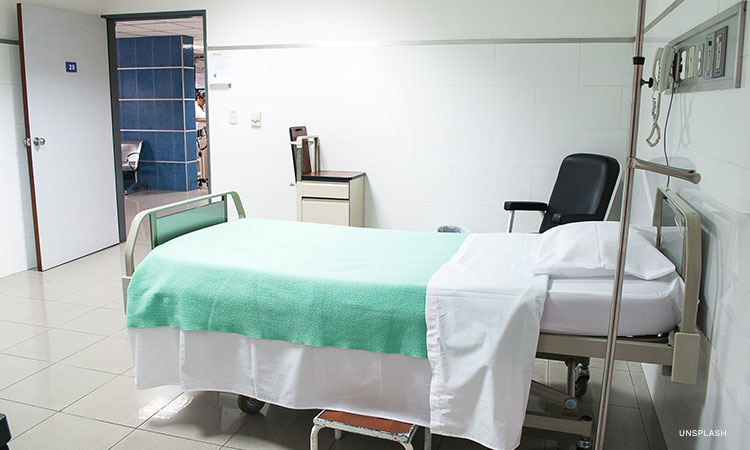
Data from the Department of Health as of April 1 showed 6,165 or 67% of the 9,200 beds for COVID-19 patients in hospitals in the National Capital Region are occupied. Of the total, 813 are critical care beds. But over 636 or 78% of these ICU beds were being used. Meanwhile, over 71% or 3,329 of 4,666 isolation beds are occupied.
Some 51 hospitals in Metro Manila have also hit “critical” level, meaning over 85%, if not all of their beds for COVID-19 patients are occupied.
The DOH tracker also suggests 61 hospitals are at the “safe” level which means less than 60% are occupied, while 42% have occupancy rates between 60% and 85%, meaning they should all be able to accommodate patients.
But reports on social media in the past few days showed families of COVID-19 patients from Metro Manila have reached outlying provinces in search of medical attention.
Vice President Leni Robredo has called on the government to post real-time updates on hospital bed occupancy as several people struggle to look for medical facilities that still accept COVID-19 patients.
In a virtual briefing on Saturday, Presidential spokesman Harry Roque assured the public that more facilities will be opened in the coming weeks, including additional 160 beds for moderate and severe patients, with the extension of the enhanced community quarantine in the Greater Manila area for another week.
Eight facilities, namely Jose R. Reyes Memorial Medical Center, Jose N. Rodriguez Memorial Hospital and Sanitarium (Tala), Amang Rodriguez Memorial Medical Center, Tondo Medical Center, National Center for Mental Health, Lung Center of the Philippines, National Kidney and Transplant Institute, and San Lazaro Hospital, have requested for modular tents.
Extensions were also built for level 3 hospitals in coordination with the Department of Public Works and Highways. One of those that are set to be completed is a 110-bed capacity at JRRMMC expected to open on April 8.
However, the DOH is encouraging the public to first coordinate with barangay officials before heading to hospitals once they observe symptoms so they will be referred to the right facility. They may also use teleconsultation of their LGU or the department to avoid overcrowding in hospitals.
The department also said 42 initial volunteer healthcare workers from regions with level of infections are set for deployment in Metro Manila this coming week. Volunteers from the Visayas and Mindanao are also expected to be deployed in the following weeks, while military medical reserve forces were tapped to man temporary treatment and monitoring facilities, it said.
Meanwhile, the DOH said more hotels are also being tapped to cater to medical workers in need of quarantine and isolation facilities. It also continues to distribute personal protective equipment across the country. The release of salaries and benefits are also being expedited, the agency added.