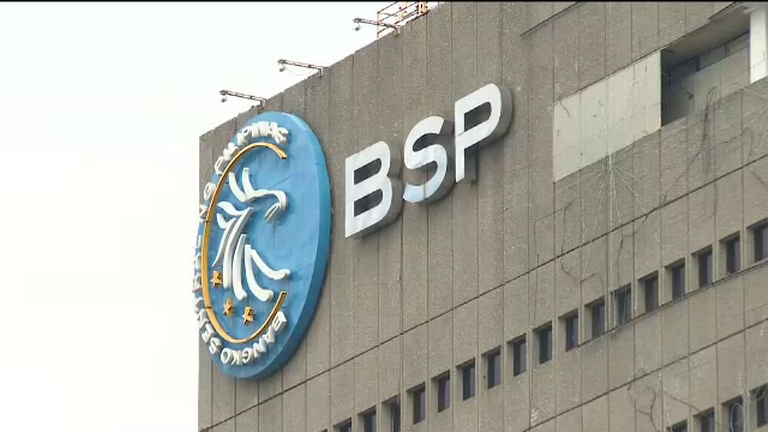

Metro Manila (CNN Philippines, March 19) — The Bangko Sentral ng Pilipinas is now projecting a net surplus of $6.2 billion this year in economy’s balance of payments, or BOP, which sums up the value of the country’s expected trade and financial transactions with the rest of the world.
The projected 2021 amount represents a big drop from $16 billion recorded in 2020, although it is also an improvement over the surplus of $3.3 billion forecast last December. The expected drop reflects the prolonged depressed economic conditions that followed the coronavirus pandemic but the rebound in recent months seen in the country’s top trading partners — the United States, Japan, and China — is leading to a somewhat optimistic outlook.
In the BOP’s current account section, imports are seen to fall this year by 12% while exports are forecast to decline by a smaller 8%. Cash remittances by overseas workers and businesses are projected to rebound with a 4% increase this year from a 1.3% decline last year.
In a briefing on the BOP trends, BSP Senior Director Redentor Paolo Alegre said on Friday that the 2020 full-year $16 billion surplus, which was almost double 2019’s $7.8 billion, was driven by the current account surplus and increases in the financial account.
He said current account was at $13 billion, coming from a $3 billion deficit in the previous year, driven by a modest rebound in trade in goods and services. This is also considered to be the highest surplus since 2013, he noted.
Meanwhile, the financial account posted net inflows in 2020 at $4.6 billion, lower than previous year’s $8 billion due to lower direct investments and portfolio investments.
In terms of gross international reserves, this sustained an upward trend to $110.1 billion, higher than 2019’s $87.8 billion. This reflects inflows from BSP’s foreign operations and income from investment abroad, and the national government’s foreign currency deposits and positive revaluation adjustment in the BSP’s gold holdings and foreign currency denominated reserves
“At this level, the GIR represents more than ample external liquidity buffer, which can cushion the domestic economy against external shocks,” Alegre said, noting that this covers around 12.6 months’ worth of imports, payment for services and primary income.
For 2020’s fourth quarter, the country recorded a balance of payment of $9.1 billion, up from $2.3 billion in 2019.
External position to remain strong in the near-term, but expect long-term challenges
In a separate report, Fitch Solutions also said that the country’s external position will remain strong this year, backed by surplus in current account seen to be 1.9% of gross domestic product. This continued surplus will add to the country’s external assets and reduces risks of facing short-term external financing issues over the medium term, it added.
“While we expect a rebound in import demand through 2021 as lockdown measures are eased and infrastructure spending picks up, we believe it will not be enough to send the current account balance back into deficit until 2022,” it noted.
Fitch Solutions also expects balance of trade to improve within the year as import demand rises from a low-base and a government-led investment drive is implemented. However, this will also be dependent on the reopening of the economy and infrastructure spending this year.
In the long run, the agency said Philippines could face challenges for the external position that may drag current account into a deficit as it struggles to attract foreign investment, which is a more stable form of external funding, due to delays in the implementation of better fiscal measures.