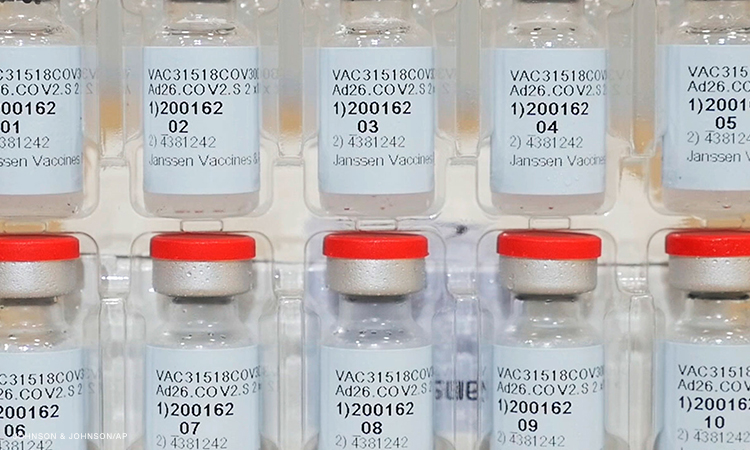

(CNN) – Many of the people who got a single dose of the Johnson & Johnson COVID-19 vaccine in an early clinical trial developed neutralizing antibodies against the virus by about day eight, and by day 57, all of the volunteers had, according to a study published Thursday in the Journal of the American Medical Association.
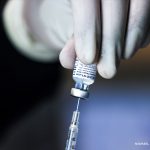
The US Food and Drug Administration authorized the Johnson & Johnson’s single-dose COVID-19 vaccine in February. This is one of the first peer-reviewed studies to show how the single dose of the J&J vaccine worked in humans – and it worked well.
The company released data throughout the trial process. In January, J&J also published interim results of a larger part of the vaccine trial in the New England Journal of Medicine. That study showed the vaccine was safe and generated an immune response.
For this part of the early stage trial, the Beth Israel Deaconess Medical Center in Boston recruited 25 adult volunteers who were randomized into five different groups. One group got a single shot, another got two. In those two groups, scientists tried two different vaccine doses. Another group got a placebo.
Scientists checked the volunteers’ antibody levels throughout the trial. For the purpose of this study, they reported the total results after 71 days. The company will follow up with these volunteers for two years.
For the volunteers who got the vaccine, researchers saw that about 90% of those who got the vaccine developed antibodies against the coronavirus by day eight. By day 57, all of the volunteers who got the vaccine had developed neutralizing antibodies, a T-cell response and a cellular immune response after just a single dose. The response was even stronger at day 71.
A note on the study: The study had its limitations. It’s small and the elderly were not included, so it can’t necessarily be generalized to other age groups. Researchers say they will follow up with these volunteers to see exactly how long this protection may last.
J&J is currently working on several other COVID-19 vaccine clinical trials, including to determine whether a second dose works better. It is also studying how its vaccine works in children and will study how it works in pregnant women.
This story was first published on CNN.com, “Early Johnson & Johnson COVID-19 vaccine trial data shows antibody response after 8 days”