
Metro Manila (CNN Philippines, January 7) — The Bangko Sentral ng Pilipinas wants to open its weekly bond offerings to more investors after seeing strong demand during its pilot run late last year.
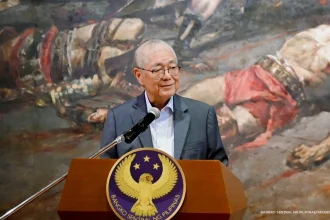
BSP Governor Benjamin Diokno on Thursday said he is looking to expand the pool of investors for the weekly offering of BSP Bills and Bonds after receiving overwhelming demand in its first three months.
Bids for the auctions held every Friday from September 18 to December 18 accumulated to ₱1.532 trillion, nearly double the ₱890 billion put up for sale.
The BSP currently offers month-long papers every Friday, which is open to universal, commercial, and thrift banks as well as non-bank firms with quasi-banking services, such as investment houses and financing companies. This is done to shore up the amount of cash in the financial market.
Some ₱259.7 billion of placements remain payable as of December 18, accounting for 14.2% of available cash in the financial system.
Apart from banks, the BSP wants to allow more financial firms and wealth managers to place their bets in the month-long papers, and further “deepen” the capital markets.
BSP Senior Director Zeno Abenoja said they are in talks with the local organization of trust entities in the country for months now to “increase their involvement” in this tool.
“We think that there is scope to implement some reforms within the year, but we will know for sure when we have finished the consultations with various market participants,” Abenoja added.
The BSP is allowed to issue securities through amendments to the New Central Bank Act passed in 2019.
Part of the ongoing review includes the tenor of the debt papers on offer, the auction size, and the frequency of issuance. The current month-long tenor sits in between the seven-day and 14-day term deposits of the central bank and the 91-day Treasury bills.
The BSP has pumped an additional ₱2 trillion cash supply since it rolled out various interventions since March 2019 at the onset of the local COVID-19 outbreak. However, Diokno earlier lamented that these policy adjustments –– which include the series of rate cuts that left the benchmark borrowing yield at a record-low of 2% –– are slow to be felt in the general economy.