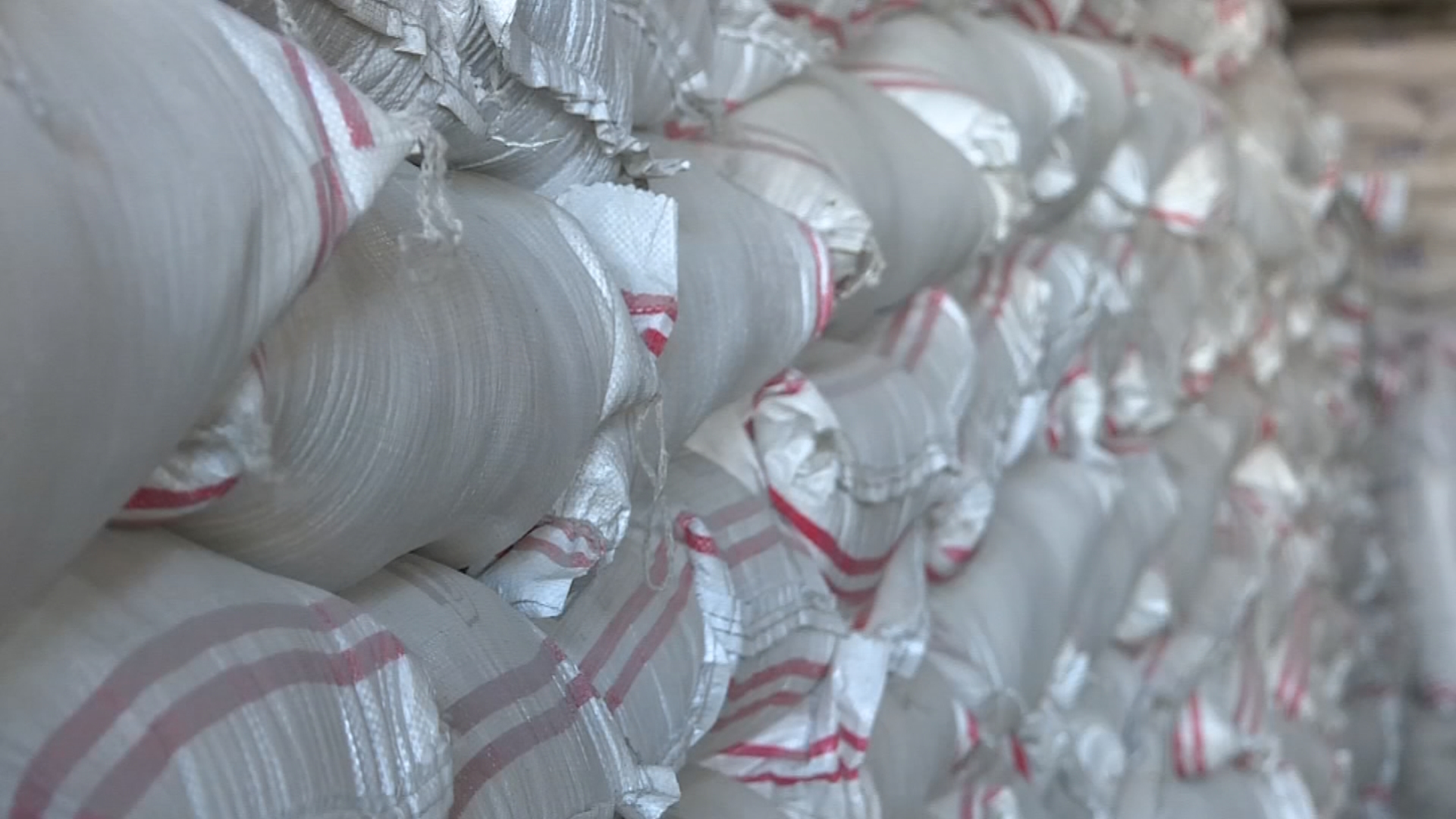

Metro Manila (CNN Philippines, December 11) — The Bureau of Customs said it is now working to collect ₱2.4 billion worth of tax deficiency from some cooperatives that imported rice in 2019 and 2020 after conducting a post-clearance audit.
“They have been issued audit notices and subsequent demand letters for the payment of additional duties and taxes as a result of the under declarations,” BOC Commissioner Rey Leonardo Guerrero said in a statement Friday.
The agency said the post auditing showed that ₱1.4 billion tax deficiency shall be collected from 48 cooperatives that imported rice in 2019. For this year, he said another post-audit for 60 top importers would yield to additional ₱1 billion due to their undervalued rice imports.
However, Guerrero said some importers are still questioning the demand letters that is slowing down the collection process.
In October, Agriculture Secretary William Dar issued an administrative order that suspended the issuance of sanitary and phytosanitary import clearances to cooperatives and irrigators’ associations after receiving reports that these organizations have resorted to rice imports instead of procuring from local rice farmers as they are mandated to do so.
The Finance and Agriculture departments also received reports that SPSICs issued to cooperatives were used by traders to avoid legal responsibilities and avoid payment of the correct amount of duties.
Under Republic Act No. 11203, or the Rice Tariffication Law, duties from rice imports will be used to fund the ₱10-billion Rice Competitiveness Enhancement Fund annually. This will finance programs intended to improve competitiveness of the country’s rice sector by providing farmers with various kinds of farm inputs, trainings, and credit facilities.
The Department of Agriculture is projecting rice imports to reach 2.3 million metric tons this year, lower than some 3 million MT imported in 2019. As of November 6, total volume of imports has reached 1.9 million MT based on government data.