Metro Manila (CNN Philippines, December 7) — The inter-agency task force meant to solve cases of extrajudicial killings is facing “significant challenges,” Justice Secretary Menardo Guevarra said.
The high-level body meant to tackle alleged human rights abuses and killings committed by state actors and private persons have a different process. The typical set up would involve law enforcers like the police conducting case investigation, while prosecutors handle the preliminary investigation for the finding of probable cause to see if charges are pursued.
“Prosecutors themselves head the investigation of cases – this ensures the objectivity of the investigation process especially in cases that involve state actors as possible perpetrators,” Guevarra said during the opening of the government’s Human Rights Summit on Monday.
Created in 2012 by then President Benigno “Noynoy” Aquino III, the Inter-Agency Committee sought to probe and resolve cases of extra-Legal killings, enforced disappearances, torture and “other grave violations” of the right to life, liberty, and security of persons.
“To further strengthen the task force, we need to upgrade the investigation skills of our prosecutors who lead the composite teams for human rights cases,” Guevarra said as he appealed for support and cooperation of past and potential witnesses to resolve earlier cases.
He admitted that cases handled by this group are “sensitive and difficult,” mainly because of the personalities involved in the crimes.
“Prosecutors have been trained to receive, handle and present evidence from law enforcers. If they are to spearhead investigations, they must be trained not only to work with law enforcers. They themselves must know how to gather evidence from crime scenes and to search for and follow leads,” Guevarra added, saying pursuing witnesses is an even bigger challenge as usual police work shows just how tricky this can get.
“It is no wonder why some of our investigations face a blank wall and not a few cases turn cold.”
The task force is led by the DOJ secretary and by eight other agency representatives, and are tasked to investigate new and unsolved cases. Special teams of investigators and prosecutors are tasked to handle such cases, the results of which must be reported to the President.
The government reports that 5,903 people have died in anti-drug operations better known as “Oplan Tokhang” as of September 2020. Human rights groups, however, pegged actual extrajudicial killings at more than 20,000 since July 2016.
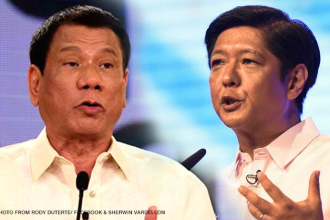
In a taped speech, Duterte stressed that the Philippines has a “serious commitment” to honor its pledges to international treaty organizations in upholding human rights.
The President has been defensive regarding criticisms that his administration’s war on drugs and law enforcement efforts have resulted in human rights violations, often cursing foreign bodies who seek to investigate such cases.
RELATED: Human Rights Watch: PH gov’t drug war worsened amid COVID-19 pandemic
READ: Despite fresh calls, PH gov’t sees no need for UN probe into human rights situation
READ: Jail time without parole sought for officials who abet extrajudicial killings