
Metro Manila (CNN Philippines, December 3) — Low interest rates and easy access to credit are seen to stay for the time being as the Bangko Sentral ng Pilipinas admitted that recent policy moves will be felt later than expected.
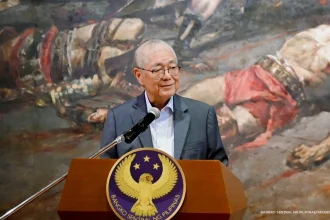
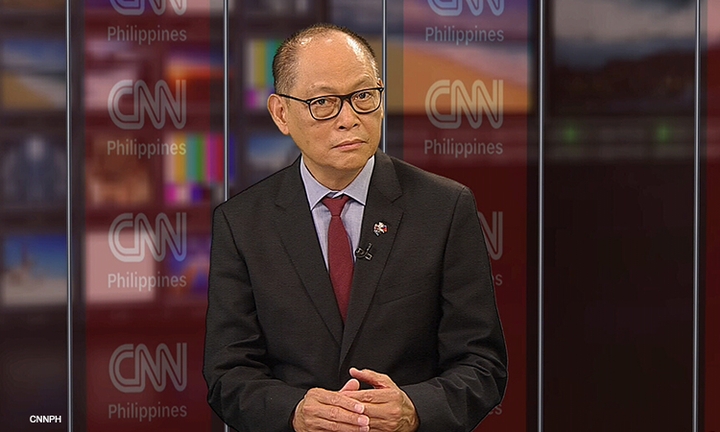
“The slow adjustment in bank lending rates, together with bank risk aversion and weak loan demand, suggest that the impact of the BSP’s policy actions could take a longer time to materialize,” BSP Governor Benjamin Diokno said during his GBED Talks briefing.
The BSP has slashed the key interest rate — which is used by banks and other lenders in pricing loans — to a record-low of 2%, hoping to entice people and businesses to borrow and sustain their spending behavior to tide the economy through the recession.
Strict bank rules on lending and liquidity have also been relaxed, which include lower reserve requirements, additional property loans, and more incentives to lend to micro, small, and medium enterprises.
In sum, these interventions have injected an additional ₱1.9 trillion to the financial system, waiting to be taken up as retail or business loans or be reinvested. However, banks have been reluctant to grant credit as they turn risk-averse, while demand is also down as people and business owners are uncertain of their financial prospects.
Diokno said the benign inflation trend, which is seen to stay below 3% until 2022, lets the central bank keep rates down.
“This outlook provides the BSP with ample room to keep the monetary stance sufficiently accommodative to mitigate the strong downside risks to growth,” he added.
“The BSP remains committed to deploying its full range of monetary instruments and regulatory relief measures as necessary to support non-inflationary and sustainable growth in the medium term,” he added.
The last monetary policy rate-setting meeting for the year is scheduled on December 17.
The economy shrunk for the first time in 12 years, with output declining by 10% as of end-September compared to a year ago.
Diokno, who was Budget secretary before being appointed as BSP governor in March 2019, admitted the stimulus packages laid out by the national government are “relatively lower” compared to those rolled out by neighboring countries like Thailand, Malaysia, and Indonesia.
“Even as BSP is prepared to implement additional policy measures, fiscal policy should play a more significant role in helping restore market confidence,” the central bank chief noted.
The BSP previously extended a ₱300 billion credit line to the Treasury for quick cash, followed by another ₱540 billion debt due later this month.
RELATED: Regulators want banks to lend more, price risks better to keep economy afloat post-COVID
READ: BSP urges ‘least burdensome’ schemes on bank loan payments after grace period