
Metro Manila (CNN Philippines, September 3) — The Philippines’ outstanding debt rose further to ₱9.16 trillion in July, data from the Bureau of the Treasury showed.
The sustained climb comes as the government had to borrow even more funds to fund a wider budget gap resulting from emergency COVID-19 response measures. Loans grew by 17.4 percent from a year ago and added ₱110.1 billion against the June level.
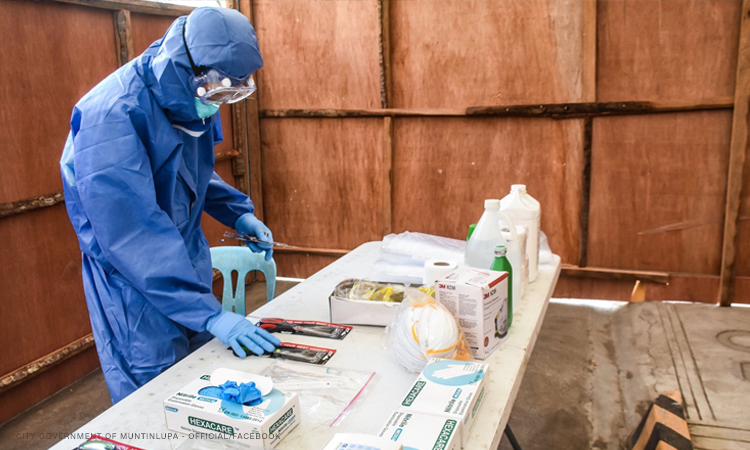
The government has so far spent ₱389.06 billion for coronavirus-related projects and programs as of August 28, the Department of Budget and Management said.
Bulk of the funds were sourced locally, with the Treasury borrowing ₱66.45 billion in additional funds from peso loans and the issuance of debt papers to bring the total to ₱6.26 trillion. The figure is already ₱1 trillion higher than the borrowings secured in July 2019.
One-third of the funds came from foreign lenders, to which the government owed ₱2.91 trillion.
Bulk of the amount was secured through the issuance of bonds and debt notes to international investors, while some ₱1.23 trillion is owed through loan agreements. This includes deals from institutions like the World Bank and Asian Development Bank which have extended credit to support the fight against COVID-19, as well as to accelerate “infrastructure and economic development.”
The peso’s recent strength versus the US dollar has helped offset the impact of rising foreign currency loans, with the exchange rate down to the ₱49 level against the greenback for the month.
The Philippines borrows money from local and foreign investors so that it can carry out priority projects which cannot be immediately funded through tax collections or other public revenues.
The government has acquired ₱1.43 trillion in new loans in the first seven months, bringing the current level nearly a fifth higher than the end-2019 debt stock.
Meanwhile, the government scaled down allotted debt guarantee as the loans piled up. The state set aside ₱458.8 billion to repay maturing debts, down 5.2 percent from last year.
The country’s debt will keep rising in the next few months to end at ₱10.16 trillion by December, DBM said, and will further rise to nearly ₱12 billion by 2021.
RELATED: DOF to keep national debt below 50% of the size of economy
READ: More benefits for frontliners with mild COVID-19, private medical workers in ‘Bayanihan 2’