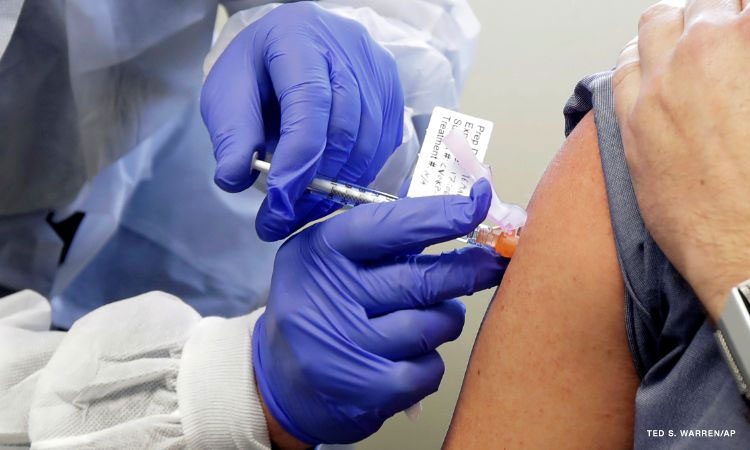

Metro Manila (CNN Philippines, August 18) — The World Health Organization on Tuesday said countries should not idly wait for a coronavirus vaccine, rather, they should focus on improving their COVID-19 response.
WHO Western Pacific Regional Director Dr. Takeshi Kasai said countries should not overly rely on the development of a vaccine as there might not be enough supply during the initial production of the approved drug due to its high demand.
“Unless all countries are protected, no country is safe… We must continue to improve our response and not just hope for the vaccine,” he said in a media briefing.
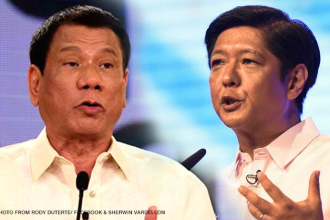
The Philippines is one of the countries eagerly awaiting the production of a vaccine that can build immunity against the SARS-CoV-2. Several government policies hinge on the much-awaited arrival of a vaccine, including the return of face-to-face classes in schools and the lifting of lockdown restrictions. President Rodrigo Duterte has taken on the offer of Russia to provide vaccines for Filipinos, even detailing who will be the first ones to receive the drug and allocating funds for its purchase.
WHO Essential Medicines and Health Technologies Coordinator Socorro Escalante said they have yet to receive research information from Russia on its “Sputnik V” vaccine, which is hounded with safety concerns after it was approved for limited use in Russia despite an incomplete clinical trial.
Meanwhile, Kasai noted the country’s improved COVID-19 response. He said the country’s testing capacity has “significantly improved” and the healthcare services are constantly being upgraded by increasing hospital beds and ICU capacity. He also lauded the “wonderful model” of contact tracing, although noting that it has yet to be carried out nationwide.
“The Philippine government is putting a lot of effort to continuously improving their capacity,” the regional director said.
The WHO official is not alarmed that the Philippines has logged over 164,000 confirmed COVID-19 cases — the highest in its Southeast Asian neighbors. But he said the country should monitor the rise in critical patients.
“So far we haven’t really seen the number has overwhelmed their healthcare facilities. But we see the positivity rate for number of people treated in ICU is continuously increasing,” he said.
Kasai said the world is entering a “new phase” of the COVID-19 pandemic, wherein governments will need to deal with multiple case surges in a “sustainable way” by avoiding a nationwide lockdown that will led to disruption in the daily lives and economic activity.
RELATED: Duterte to ask ‘friends’ Russia, China for credit line in COVID-19 vaccine purchase
RELATED: Metro Manila, 4 provinces to ease into GCQ starting Aug. 19
READ: What we know — and don’t know —about Russia’s ‘Sputnik V’ vaccine