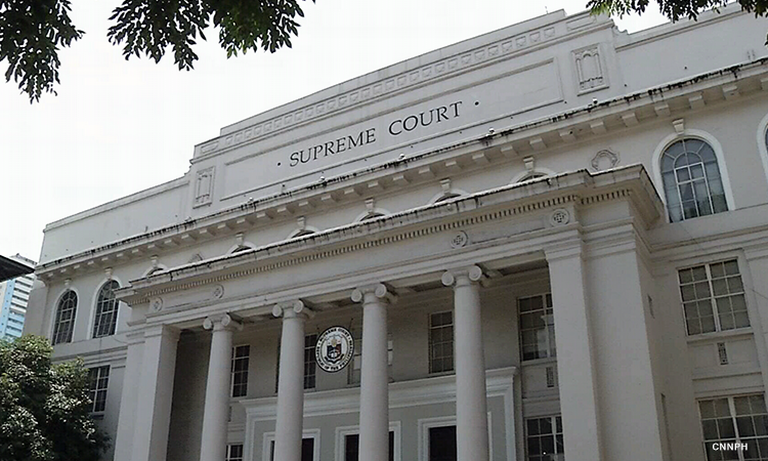

Metro Manila (CNN Philippines, August 18) — The Supreme Court (SC) has ruled that an anonymous tip cannot be a sole basis to conduct a warrantless search of a vehicle.
“The Constitution does not allow the end to justify the means,” the high court said in a decision dated June 16 and released only on Tuesday.
The SC said an accused is assumed to be innocent unless proven guilty by the state. Moreover, in the process of gathering evidence, the rights of the accused should still be respected that is also protected by the Bill of Rights under the country’s Constitution, it said.
If his rights will be violated then the evidence collected should be excluded, it also said.
Under Section 2 of the Bill of Rights “no search warrant or warrant of arrest shall issue except upon probable cause to be determined personally by the judge after examination under oath or affirmation of the complainant and the witnesses he may produce, and particularly describing the place to be searched and the persons or things to be seized.”
The SC ruling is related to a case in 2014 involving authorities who arrested an alleged drug dealer after an anonymous phone call.
The Court said it recognizes the role of critical actions to eradicate the use of illegal drugs in the country, but this cannot be done through violation of people’s rights against unreasonable searches and seizures. The government’s actions against illegal drugs should be matched with its goal to maintain and defend the Constitution, it added.
In 2014, Jerry Sapla was arrested by the police in Kalinga after authorities received a phone call in the morning of Jan. 10, wherein a “concerned citizen” claimed that the accused will be transporting marijuana to Roxas, Isabela.
The police immediately coordinated with the necessary officials to form teams for the arrest of Sapla.
In the afternoon, the Regional Public Safety Battalion hotline received a text message informing them that Sapla was carrying a blue sack. It also described his attire and the plate number of the passenger jeepney he boarded.
At a checkpoint at the Talaca command post, Sapla was interrogated and arrested after the policemen saw four bricks of suspected dried marijuana leaves. The accused denied it and said he had no baggage at the time.
In 2017, Sapla was found guilty of violating Section 5 of the Comprehensive Dangerous Drugs Act. He was thrown behind bars, and was asked to pay a P5 million fine.
However, the questionable search and seizure operation done by the police officers led the Supreme Court to order the immediate release of Sapla.