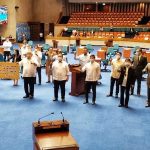

Metro Manila (CNN Philippines, August 10) —The House of Representatives has approved on third and final reading a measure which will grant scholarships to aspiring medical students amid the pandemic.
Voting 245, lawmakers on Monday passed House Bill 6756, or the “Medical Scholarship and Return Service Program Act.”
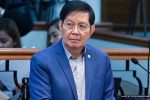
Cagayan de Oro City Rep. Rufus Rodriguez, one of the measure’s authors, said the proposed law “is the answer to the lack of doctors in rural areas.”
The measure would also address the lack of physicians in areas hit by the COVID-19 pandemic, as scholarship recipients could be asked to serve in hot spots.
Under the bill, a medical scholarship and return service program will be provided to deserving students in state universities and colleges or in private higher education institutions from regions which do not offer a medical course.
Only one scholar from each municipality may be accepted. Financial assistance will include free tuition and other school fees; book, clothing, accommodation, and transportation allowance; internship fees; medical board review fees; annual medical insurance; and other education related-miscellaneous subsistence or living allowances.
The applicant must be a Filipino citizen, a graduate or graduating student of a prerequisite course for a doctor of medicine degree, must have passed the entrance examination and complied with other requirements in the state or private college or university where he or she intends to enroll, and must have obtained a national medical admission test score mandated by the Commission on Higher Education and the cut-off required by the state or private school where he or she plans to enroll.
The mandatory return service upon integration into the medical service system will be for at least four to six years for those under the four-year program, and seven years for those who have availed of the five-year program.
The proposed law would oblige a graduate to serve in his or her town for at least four years. Refusal would mean he or she would have to return twice the amount the government spent for his or her medical degree.
The House passed HB 6756 on second reading last Wednesday.