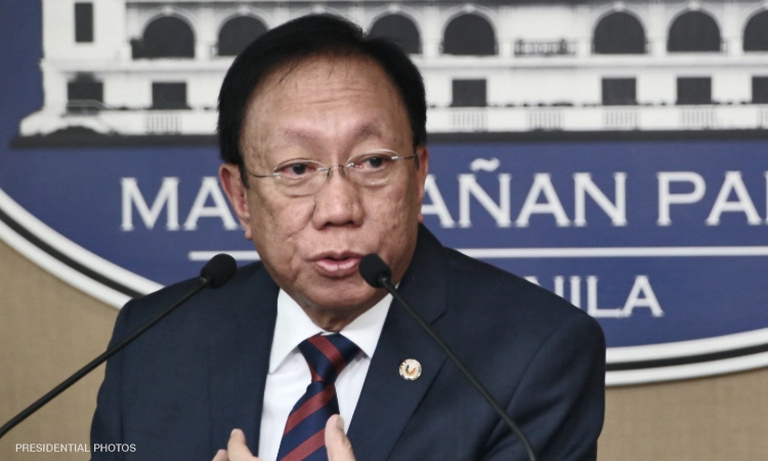

Metro Manila (CNN Philippines, July 29) — Solicitor General Jose Calida ranked second highest paid government official in 2019, the Commission on Audit said in its latest report released Wednesday.
COA’s 2019 Report on Salaries and Allowances or ROSA showed Calida was paid more than P16.952 million last year. He also rose to his current rank from previously ranking sixth in 2018.
Topping the list is former United Coconut Planters Bank president and CEO Higinio Macadaeg Jr., who was paid P20.475 million.
Meanwhile, Bangko Sentral ng Pilipinas Governor Benjamin Diokno rose to third with P15.45 million from 316th in 2018 when he was still the Budget Secretary, while Deputy Governor Chuchi Fonacier landed on the sixth spot from the previous fifth place with P14.595 million.
BSP Senior Assistant Governor Dahlia Luna also rose to seventh from thirteenth with total payments received at ₱12.244 million.
Of the top 10, six are from the BSP; three from the UCPB; and one from the Office of the Solicitor General.
TOP 10 HIGHEST PAID GOVERNMENT OFFICIALS IN 2019
1. Former UCPB Pres. and CEO Higinio Macadaeg Jr. – ₱20,475,205.79
2. Solicitor General Jose Calida – ₱16,952,843.27
3. BSP Governor Benjamin Diokno – ₱15,450,731.07
4. UCPB Exec. VP and Head of Treasury Banking Group Eulogio Catabran – ₱15,097,326.13
5. BSP Deputy Governor Maria Almasara Tuaño-Amador – ₱14,604,660.46
6. BSP Deputy Governor Chuchi Fonacier – ₱14,595,150.67
7. BSP Senior Assistant Governor Dahlia Luna – ₱12,244,273.37
8. BSP Senior Assistant Governor Ma. Ramona Gertrudes Santiago – ₱12,179,712.23
9. Former UCPB Exec. VP and Head of Branch Banking Group Edmond Bernardo – ₱11,586,338.43
10. BSP General Counsel Elmore Capule – ₱11,421,290.17
In 2018, the late BSP Governor Nestor Espenilla topped the list, with then Development Bank of the Philippines president and CEO Cecilia Borromeo ranking second.
The ROSA is an annual report that summarizes the total payments received by officials in government owned or controlled corporations; national government agencies; and state universities and colleges, and stand-alone agencies.
This aims to “complement the continuing thrust of the government for transparency and accountability” and summarize total payments and benefits officials received, the COA said.