
Metro Manila (CNN Philippines, June 23) – Local financial markets remain resilient despite the COVID-19 pandemic, the Financial Stability Coordination Council said Tuesday, as they stressed that economic risks have risen in the face of global recession.
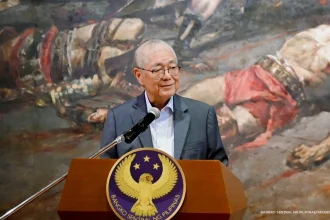
“COVID-19 certainly caused so much damage, but our reading of market conditions is that our financial market remains to be strong. The movement that we have seen… are reactions to changes in risk aversion, rather than structural weaknesses,” BSP Governor Benjamin Diokno added in an online briefing.
The FSCC, composed of the Bangko Sentral ng Pilipinas, the Department of Finance, the Insurance Commission, the Philippine Deposit Insurance Corporation, and the Securities and Exchange Commission, monitors the buildup of systemic risks in the local financial system and crafts policies to minimize the impact.
The April edition of the Financial Stability Report also noted that there were no signs that the financial market is in peril.
Diokno acknowledged that this recession is unprecedented, with the 1997 and 2008 crises caused by a stock market crash or a credit bubble in major economies rather than by a contagion.
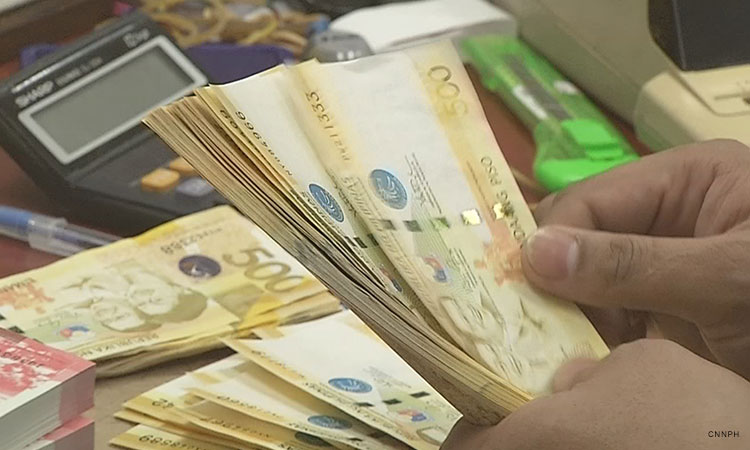
Cash is king amid the economic slump, with money market instruments the popular choice, the council noted. It added that borrowers are expected to have more difficulty in settling their dues with household cash flows disrupted by the lockdowns.
In turn, late payments by borrowers could impact bank portfolios. Risk premiums have also risen as the landscape remains uncertain.
The focus should now be on containing the ill effects of the pandemic, which has caused global shocks, depressed demand for exports, and supply disruptions, said the council.
The pandemic, the counmcil said, also disrupted the local tourism industry, limited manufacturing output, disrupted small businesses, took away millions of jobs, and reduced remittances from overseas workers.
“While we address the public health issues, we want to ensure that these difficulties do not contaminate our financial system and trigger a negative feedback to the real economy,” Diokno added, noting that a healthy financial system will assist economic growth.
More than providing fiscal support and cash subsidies to poor Filipinos, the FSCC noted that it must “diversify, deepen, and discover” the capital market to allow longer tenors for debt papers, improve transparency in market pricing, manage risk premiums by guiding spot and forward rates for bonds, and managing concerns on liquidity and solvency in select industries.
“COVID-19 is leaving scars that even a proven vaccine may not remove. The old economy has to ‘re-fit’ into the new normal of social distancing,” the council added.
The group added that the national government must take on the cost of managing these risks, even if it means bigger debts and a narrower fiscal space. This can be pursued through additional borrowings and an adjustment in taxes, the latter may be “pushed down the road.”
The government is looking to spend over ₱600 billion in COVID-19 response, which will be financed through existing funds and additional loans from both local and foreign sources. Economic stimulus bills worth over ₱1 trillion also remain pending in Congress.
READ: PH needs additional budget to offset economic downturn – economist
RELATED: BSP urges ‘least burdensome’ schemes on bank loan payments after grace period
TIMELINE: The COVID-19 response money trail