
Metro Manila (CNN Philippines, June 19) — The Department of Health on Friday raised the possibility that it may again revise its guidance on who should be prioritized for COVID-19 testing.
“Kung saka sakaling magkaroon ng ebidensiya na sinasabing itong may Blood Type A has a high risk of getting COVID-19, maaaring makasama ito sa ating expanded protocol for testing,” Health spokesperson Maria Rosario Vergeire said in a media forum.
[Translation: If there is evidence to support that someone with Blood Type A has a higher risk of getting COVID-19, this may be included in our expanded protocol for testing]
DOH was reacting to the findings of a team of European scientists that people with Type A blood are more susceptible to catching the new coronavirus, while people with Type O blood have a lower risk of getting infected with the virus.
The team led by Andre Franke, a professor of molecular medicine at the University of Kiel in Germany, studied more than 1,900 severely ill coronavirus patients in Spain and Italy, and compared them to 2,300 people who were not sick, CNN International reported.
The researchers’ paper has now been reviewed and published in the widely respected The New England Journal of Medicine, it added.
Vergeire said the country is currently not conducting a parallel study, but is gathering enough evidence to support and confirm the European researchers’ claim. DOH will provide more information to the public once they are done collecting data, she added.
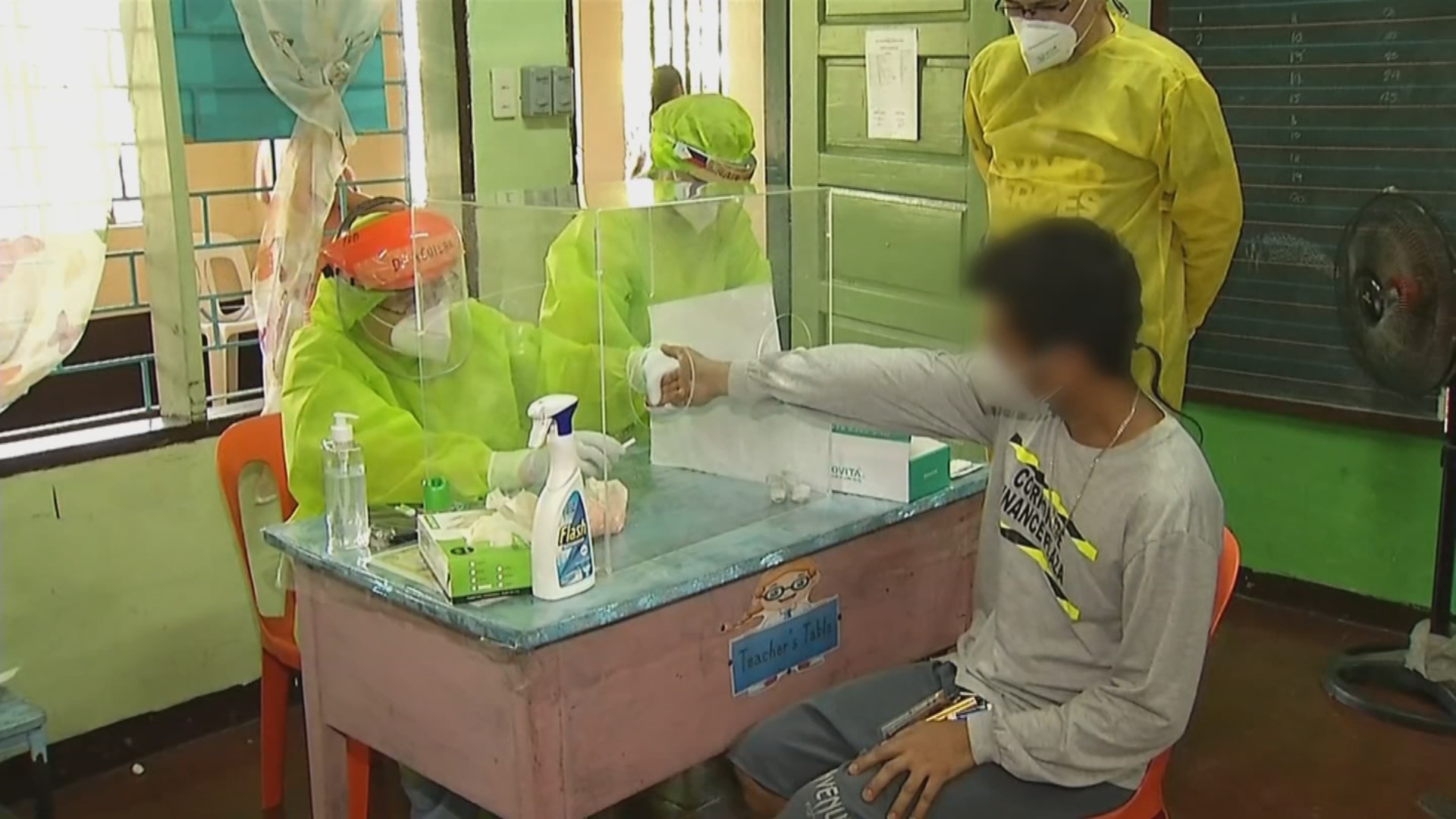
As of June 11, those prioritized for testing include close contacts of infected individuals, healthcare workers, other COVID-19 frontliners, those with comorbidities, those who will undergo high-risk surgical procedures, pregnant women, and dialysis patients and immunocompromised patients with HIV.
Infectious disease expert Anna Ong-Lim earlier noted that a testing protocol was put in place ‘to efficiently maximize the limited supply’ of diagnostic kits.