
Metro Manila (CNN Philippines, June 5) – The House of Representatives on Thursday approved on final reading the bill that mandates polymerase chain reaction (PCR) testing among vulnerable members of the society.
240 congressmen voted to pass House Bill No. 6865, while only one objected it. There were no abstentions.
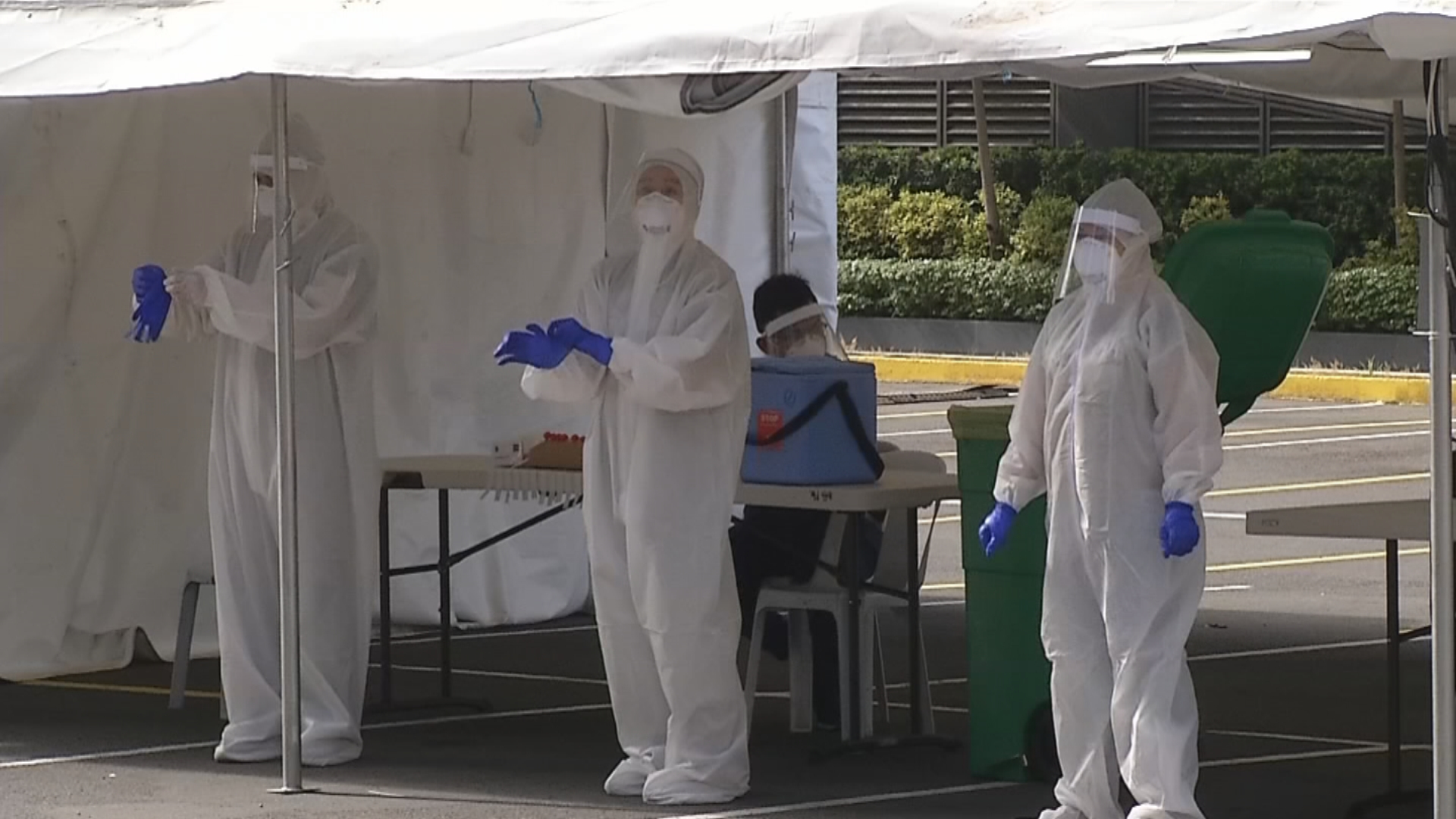
The bill, entitled as the Crushing COVID-19 Act, seeks to contain and control the spread of COVID-19 by mandating pooled baseline PCR testing to the vulnerable sector as a way to slow down the virus infections and fatalities in the country.
In an interview with CNN Philippines last June 2, the bill’s principal author Iloilo first district Rep. and former Health Secretary Janette Garin said the proposal promotes cost-efficiency and can accelerate the testing and isolation protocols of the country.
“We still swab the vulnerable asymptomatics, pool their samples into 10, test them as one, and the results will actually be less kits being utilized, maximizing government resources, early test results, and most importantly, early isolation,” said Garin.
As defined in the proposed measure, pooled baseline PCR testing is “the individual collection of nasopharyngeal and/or oropharyngeal swabs from vulnerable asymptomatic persons which are subsequently grouped into 10 or five samples mixed from which mixture an aliquot is taken and tested using baseline PCR testing.”
Listed in the bill as mandated persons to undergo the pooled baseline PCR testing are patients or healthcare workers with severe or critical and mild symptoms for COVID-19 and those who have no symptoms but with relevant travel history or contact.
Patients or healthcare workers, deemed to be high-risk due to their exposure, may be tested individually.
Also included in the list that will undergo PCR testing under the bill are personnel manning temporary treatment and quarantine facilities, quarantine control points, National and Regional Local Risk Reduction and Management Teams, and Barangay Health Emergency Response Team.
Persons with co-morbidities and other health risks and those entering the Philippine territory coming from other countries, workers who are holders of quarantine passes who do most of errands for the their families during quarantine, and patients required by their physicians to submit to testing should also undergo baseline PCR testing.
Other identified groups that need to undergo baseline PCR testing are sales personnel in public markets, groceries and supermarkets, food handlers, factory workers, construction workers, security guards, public utility vehicles drivers, bank and transfer fund facilities personnel, laundry shop workers, house helpers, caregivers, pregnant women, embalmers, wellness and salon workers, uniformed personnel, media personnel, barangay health workers, and family members whose household has a dweller who went abroad from December 2019 until present.
Under the bill, COVID-19 testing centers should allocate a percentage of their daily testing capacity to the members of vulnerable sector as identified above.
The Philippine Health Insurance Corp. must cover the full cost of testing, including the cost of services of the pathologist, laboratory specialist and other staff.
The measure also mandates the protocols and algorithm for the testing should be done in consultation and coordination with the Philippine Society of Pathologists and the Philippine Association of Medical Technologists.
The Crushing COVID-19 bill needs to have its counterpart version in the Senate for it to reach the President’s table and be signed it into a law.
Yesterday, COVID-19 Response Deputy Chief Implementer Vince Dizon said asymptomatic patients may now be included in testing as the country’s testing capacity increased to 41,900.
The country now has 52 licensed testing laboratories, 33 of which are government-owned, while 19 are from the private sector, he added.
However, the Department of Health previously said that it is not cost-efficient to test asymptomatic cases due to the government’s limited resources in COVID-19 testing efforts.
To date, the country now has confirmed 20,382 COVID-19 cases along with 984 deaths and 4,248 recoveries.