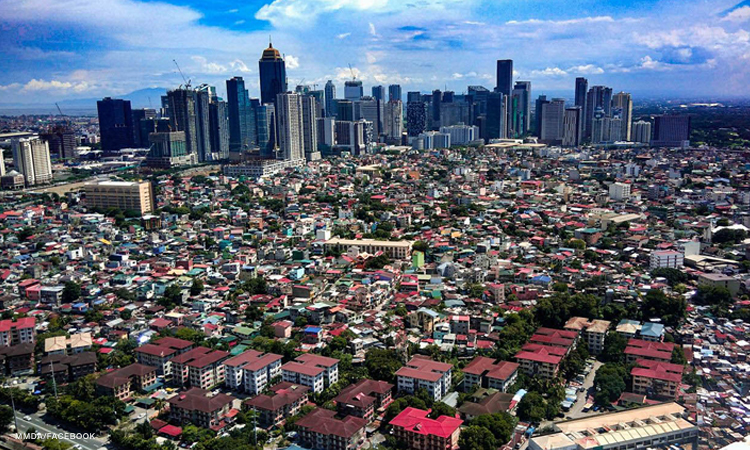

Metro Manila (CNN Philippines, June 3) — Air pollution is making a comeback with more vehicles on the road now that Metro Manila and other parts of the country have moved to general community quarantine.
A recent report by Greenpeace and the Centre for Research on Energy and Clean Air (CREA) showed that air pollution levels have been on a steady increase since the beginning of May, with the restarting of transportation and other industries.
Based on the report, the levels of NO2 and PM2.5, which are linked to severe respiratory and cardiovascular health illnesses, drastically fell during the first two weeks of enhanced community quarantine (ECQ), with Quezon City and Manila seeing the highest reductions among the major cities in the metropolis.
“Although the metro’s overall air quality remained much improved compared to previous years, the air quality gains are now sliding back in all these cities,” the report said. “This change is expected as the country remains heavily reliant on highly polluting fossil fuel energy sources across all sectors.”
The Department of Environment and Natural Resources also reported that Metro Manila’s air quality improved during the lockdown, which the government implemented to contain the spread of COVID-19.
Under ECQ, only workers in critical industries like healthcare, food preparation, banks, groceries, and media were allowed to report to work, while the rest were told to stay at home. Malls, offices and all forms of public transportation were not permitted to operate.
“Air pollution doesn’t have to be an inescapable reality,” Greenpeace campaigner Rhea Jane Pescador-Mallari said in a statement. “The ECQ gave Filipino citizens a glimpse of what cities can be like with healthy, clean air. It also showed us that air pollution can be solved without sacrificing people’s access to mobility.”
Greenpeace called for the adoption of measures that would safeguard clean air in highly urbanized areas, saying stringent policies and better city and mobility planning can address Metro Manila’s transportation emissions problem while also improving air quality.
The report recommended that government prioritize clean energy sources, green transportation options, and enhanced micro mobility around localities.
“If the government is willing to use the opportunities and lessons learned from the pandemic and amplify it through policies and infrastructure, active mobility and micro mobility, as well as invest in efficient and safe mass public transport, then a return to the massive pollution levels before COVID-19 can be avoided,” Mallari said. “At the local level, addressing air pollution is a key aspect of making cities livable and sustainable. At the national level, it means addressing the climate crisis while helping build climate resilient communities.”