
Metro Manila (CNN Philippines May 27) — The COVID-19 pandemic has altered the way people live their daily lives, including personal habits and regimens.
The crisis has also significantly forced players in the personal care and beauty industry to adopt various strategies that will sustain connection with their consumers in the wake of lockdown.
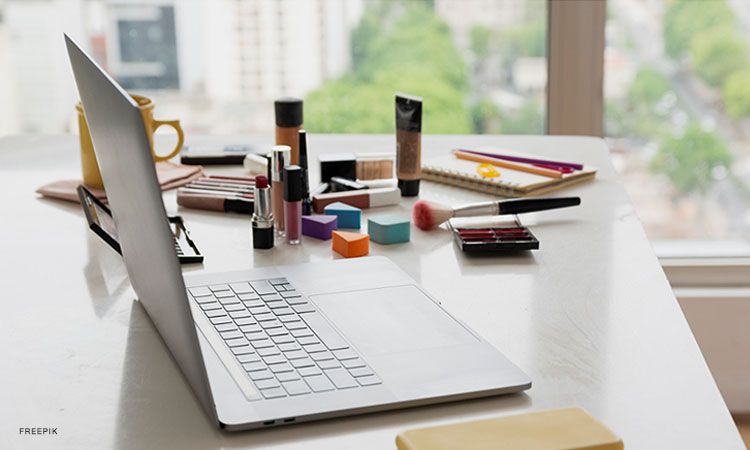
A cosmetic brand has ramped up its e-platform by catering to their customers who turn to online services, allowing them sustainable collaboration despite mall closures under the community quarantine.
“Thanks to technology, we are still able to talk to our consumers even while they’re safe at home,” Happy Skin co-founder Rissa Mananquil Trillo told CNN Philippines’ New Day.
“We wanted to bridge that gap, they wanted to shop and they can’t go out. We really want to improve the consumer journey at a time like this,” she added.
Trillo noted that their customers may avail of a free virtual consultation with beauty advisers at the confines of their homes.
“You get to talk to our beauty advisers, they’re sharing tips on how to use the product and even product swatches virtually via Zoom,” she said.
Trillo added that their virtual sessions “that mimic the experience of being in a store” helps their consumers learn more about their products no matter where they are located.
Belo Medical Group President and CEO Dr. Vicki Belo previously said that the beauty industry’s post-quarantine strategies will mostly rely on digital technology as walk-in appointments and interaction with customers will have to be limited.
Metro Manila continues to grapple with economic losses as most businesses that fall under non-essential establishments, like personal care services and other related industries, are still banned under the “modified” enhanced community quarantine.
READ: LIST: Businesses allowed to reopen in Metro Manila, areas under modified ECQ by May 16
Most businesses that are still not allowed to operate fall under Category 4, including gyms, fitness facilities, massage parlors, and other leisure establishments that promote mass gathering.
On May 23, Malacañang released new guidelines allowing barber shops, salons, and personal care service establishments to operate to a maximum of 50 percent of its venue capacity in areas under modified general community quarantine.
Malls in the capital region have been closed for two months since the first enhanced community quarantine was imposed in the region on March 15. Several SM Stores, Megaworld malls and other commercial centers all over the country only reopened on May 16 with more stringent measures to ensure that shoppers, retail partners, and employees will be protected against COVID-19.
All 17 mayors of Metro Manila on Tuesday recommended to the Inter-Agency Task Force on the Management of Emerging Infectious Diseases that the region shift to a general community quarantine to allow more businesses to reopen in order to restart the economy.