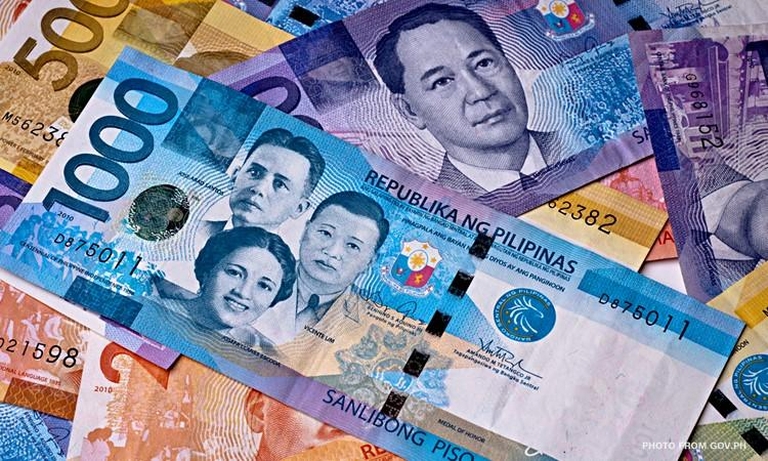

Metro Manila (CNN Philippines, May 1) –– Outstanding government debt continued to climb in March, rising to ₱8.18 trillion ahead of big-ticket loans secured for the country’s COVID-19 response.
The Bureau of the Treasury reported that total debts rose by ₱11.82 billion from the previous month, mainly due to additional borrowings taken from local investors. Compared to last year, debts rose by 4.8 percent, data showed.
Two-thirds of the borrowed funds came from domestic sources at ₱5.51 trillion, with the increase due to additional peso-denominated government securities issued locally. The value of these IOUs picked up by 6.1 percent compared to March 2019.
The balance has been sourced from foreign lenders, which amounted to ₱2.66 trillion. The tally actually went down versus February, but is still 2.3 percent higher when compared to last year’s haul. The month-on-month decline came as the government settled some of its foreign loans and saved from the stronger peso-dollar exchange rate.
The peso firmed up against the US dollar, improving to ₱50.78:$1 in March versus the ₱50.897 rate in February, the Treasury reported.
Meanwhile, the national government set aside ₱481.8 billion for guaranteed payments, barely changed from the ₱479.7 billion allotted the previous year.
State borrowings are expected to significantly shoot up by April as the government takes on additional borrowings to finance its COVID-19 response. The bulk of the amount will be borrowed from the World Bank and the Asian Development Bank, as the government spends on cash subsidies to help poor families survive while Luzon, the country’s business and financial center, went on lockdown to contain further infections.
The government also raised $2.35 billion (about ₱119 billion) by offering dollar-denominated bonds to global investors earlier this week.
READ: Philippines financially prepared’ for COVID-19 quarantine measures until end of May
The government borrows from a mix of local and foreign sources to support the spending plans of the Duterte administration. The obligations include government-issued bonds, credit lines from multilateral institutions, and loans via official development assistance from foreign countries.
Acting Socioeconomic Planning Secretary Karl Kendrick Chua said he expects the share of debts to account for 47 percent of the local economy — up from the 41.5 percent ratio as of 2019, but will remain a “comfortable” level.