
Metro Manila (CNN Philippines, April 16) — The Philippine General Hospital is preparing to conduct a study on how a form of plasma therapy can cure COVID-19, but it needs more than 130 patients to participate in a clinical trial, one of its experts said on Thursday.
Hematologist Deonne Guiaran said the hospital needs 136 patients to join the trial to determine if convalescent plasma therapy is effective against the coronavirus.
“Sa ngayon ang tintingnan, nasa around 136 na pasyente ang gusto nating ma-enroll sa pag-aaral na ito,” he said in the DOH online press briefing.
[Translation: For now, we are looking at around 136 patients who we need to enroll in this study.]
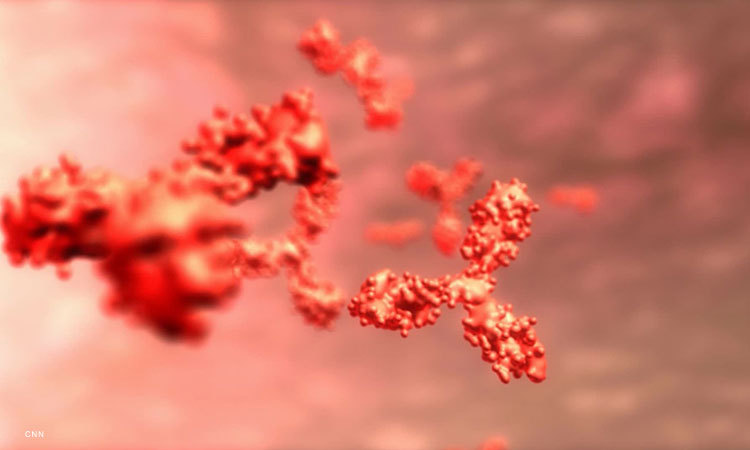
Plasma therapy involves using the blood plasma of a patient who has recovered from the disease and transfusing it to another patient, hoping that the anti-bodies the recovered patient had produced would help the sick patient get well faster.
Some survivors have already donated blood to the PGH to help the chances of recovery for those suffering from COVID-19, after President Rodrigo Duterte’s appeal for plasma from recovered patients.
In a clinical trial, different patients with the same condition will take medicines in controlled dosages while researchers observe the impact on their health.
Dr. Marissa Alejandria, president of the Philippine Society of Microbiology and Infectious Diseases, stressed that factors such as the condition of the patient before using the drugs, have to be closely monitored to ensure that changes in their health are solely due to the medicine’s effect.
“Pwede kasi gumaling si pasyente kasi may iba tayong binigay na gamot. Ngayon sa clinical trial ina-analyze lahat ‘yung intervention na binigay kasabay ng gamot na ‘yun,” Alejandria said.
[Translation: It is possible that the patient got well because of other medicines. In a clinical trial, we analyze all the interventions provided, together with that particular medicine.]
The DOH said the Philippines will be joining a solidarity clinical trial by the World Health Organization on certain drugs, such as malarial medicines hydroxychloroquine and chloroquine, to find out if they could cure COVID-19.
In the meantime, hospitals have been using drugs like chloroquine on mild cases for experimental purposes, Alejandria said, since data has shown that the drug can prevent the virus from entering the body.
Alejandria said they have been prescribing them, as allowed by the Food and Drugs Administration, though they are not registered for the purpose of fighting COVID-19. This means doctors would have to explain the risks and benefits to the patients, as well as get their informed consent before prescribing the medicine.
Even with these developments, the DOH maintained that there is still no legitimate cure or vaccine for COVID-19.
“Ang daming gamot pero lahat sila ay hindi pa po talaga proven na nakakapatay ng SARS-CoV-2 virus,” said Dr. Beverly Ho, Special Assistant to Health Secretary Francisco Duque, referring to the novel coronavirus.