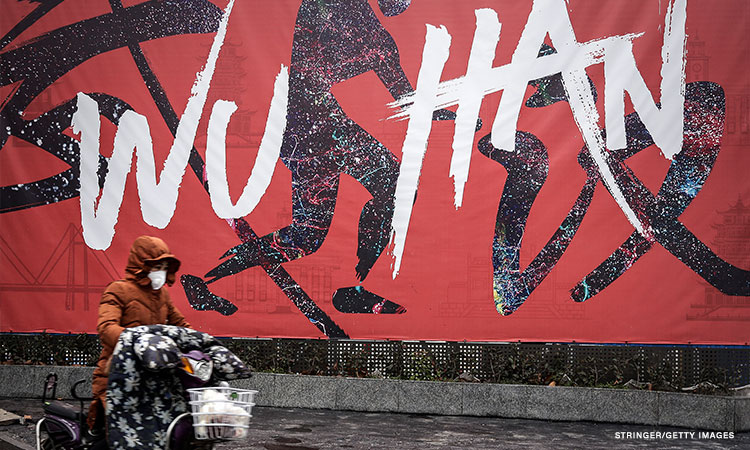

Metro Manila (CNN Philippines, April 8) — “The lifting of the lockdown gave everybody hope,” said Chai Roxas, a Filipina overseas worker in Wuhan who shared what life is like after the lockdown was lifted in the original epicenter of the COVID-19 outbreak.
Wuhan has finally reopened its borders after closing it for over two months starting January 23 in an effort to contain the outbreak of the deadly virus. The city is the capital of Hubei province, which is China’s worst-hit area after recording nearly 68,000 COVID-19 cases, including some 3,200 deaths.
Life during lockdown
“It was so hard po. Lahat ng worries and fear nando’n na lahat during the lockdown,” recalled Roxas, who lives alone in the city.
Roxas shared that five days before the lockdown was announced, she bought groceries for a supposed Chinese New Year celebration with some Filipina friends. That became her food supply when Wuhan declared border closures, but by the end of February, her stocks ran out.
“Though the supermarket is open, sobrang layo naman ng lalakarin ko,” she said. “And we are not allowed to go outside of our community without important things to do. Ang daming gate pass na kukunin, kaya we had no choice but to buy [food] online.” She added that the food she purchased online were usually sold at exorbitant prices.
According to Roxas, Filipinos in Wuhan had been helping each other during the pandemic.
“We have a group chat for Filipinos in Wuhan and Hubei,” she said, adding that Filipinos even volunteer to buy groceries for others. She also said many of them have stepped up and extended aid in the community by donating to those who are unable to supply themselves with essentials.
Post-Wuhan lockdown
With border restrictions relaxed, people are able to move freely again as long as they are given the “green code”, Roxas said.
China has implemented a color-coded health system to determine if one is free of COVID-19 symptoms. Through a phone app, people are assigned a color code indicating their health status. Those who have the green code or the “health code” will be allowed to travel in and out of Wuhan, she said.
“Our employer will get a health code or green code para magamit namin everytime there’s a checkpoint,” Roxas said. “Ii-scan lang ‘yung code from our phone and we are cleared to go out to other places.”
According to Roxas, she has yet to be assigned a code.
“I’m waiting for the staff to come here to our house to give us the green code,” she said. “‘Yung Chinese they already have [the code], mga expatriates wala pa po.”
The Filipina said life would surely be different now in Wuhan, as she expects that people will start becoming more conscious of adopting habits that prevent the spread of the virus.
According to Johns Hopkins University global tracker, China has recorded over 82,800 COVID-19 cases, with over 3,300 deaths as of April 8. Meanwhile, over 77,000 patients in the country have already recovered.
[Translation: Though the supermarket is open, it was too far for walking. And we weren’t allowed to go out outside of our community without important things to do. They were looking for different gate passes, that’s why we had no choice but to buy food online.]
[Translation: It was so hard. All the worries and fears were there during the lockdown.]
[Translation: Our employer will get a health code or green code that we can use every time there’s a checkpoint. Authorities would just have to scan the code from our phone and we are cleared to go out to other places.]
[Translation: I’m waiting for the staff to come here to our house to get the green code. The Chinese already have their codes, but expatriates like me have yet to be assigned one.]