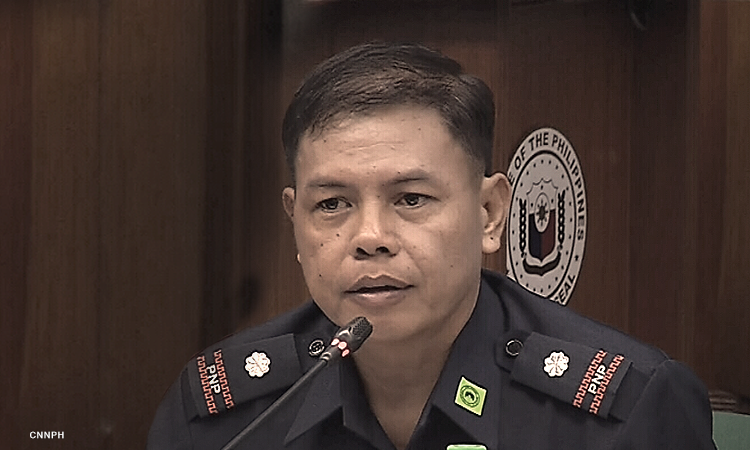

Metro Manila (CNN Philippines, February 20) – A police official whose profile rose after heading operations that killed prominent drug suspects was assured by Malacañang that he can can avail of government protection if he fears for his life after he himself was linked to illegal drugs.
“If that is the fear of PLtCol Espenido, then we cannot stop him from entertaining such apprehension. He must have some reasons. But the President will not allow anyone to be hurt or harmed outside of what is allowed by law,” Presidential Spokesperson Salvador Panelo said Thursday.
A day earlier, Espenido appeared in public for the first time to defend himself after he was tagged as part of the 357 policemen on President Rodrigo Duterte’s drug watch list. He said politicians only made up these claims to get back at him. Espenido has been relieved of his post as Bacolod City’s deputy police director for operations.
Before his inclusion in the drug list, some have called Espenido the “poster boy” of the government’s anti-drug war. Espenido was chief of police of Albuera, Leyte when the town’s mayor, Rolando Espinosa, Sr. was killed while in detention in 2016. He was also police chief of Ozamiz in Misamis Occidental when the city’s mayor, Reynaldo Parojinog, was killed in an anti-drug operation in 2017.
“He still enjoys the trust of the President,” Panelo noted.
“If Col. Espenido would ask for any protective measure from the government, then he can request just like any other citizen,” he added.
In 2017, Duterte awarded Espenido for his contributions to the government’s anti-drug campaign.
Philippine National Police chief Gen. Archie Gamboa previously stressed that he would like to protect the identity of drug-linked police officers amid ongoing investigation. He added he will personally deal with Espenido after the police official publicly discussed his inclusion in the list.
Espenido has denied involvement in drugs, saying his name was included because of “a failure of intelligence”
Government figures show at least 5,552 suspected drug dealers and users have been killed in police anti-narcotics operations since Duterte took office in 2016. Rights groups however cite higher figures.
Human Rights Watch said the government figure does not include thousands more killed by unidentified gunmen, pushing the death toll to as high as 27,000 according to estimates by domestic human rights groups