
Metro Manila (CNN Philippines, November 6) — Agricultural production grew in the third quarter to log the fastest in two years, but failed to lift farmer incomes.
Farm output rose by 2.87 percent, reversing a 0.87 percent contraction in July-September 2018 amid greater produce for crops, livestock, poultry, and fisheries, the Philippine Statistics Authority (PSA) said. This is the fastest growth in the sector since the 6.22 percent pace tallied in the second quarter of 2017.
Despite the bigger output, agricultural products were valued less last quarter at just ₱395.3 billion, down 3.6 percent from last year.
Corn up, rice down
Crop production, which accounts for 45 percent of the total, picked up by 2 percent during the quarter led by corn, which surged by 23.5 percent year-on-year.
The resurgence of corn came from planters in the Cagayan Valley, with the PSA citing their recovery from Typhoon Ompong in 2018 that ruined their crops. Some farmers in the area also converted cassava and sugarcane plantations into land for corn.
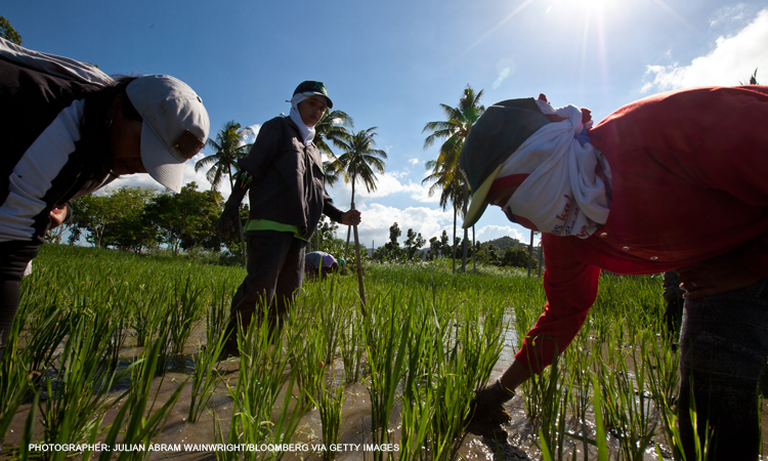
However, production of palay (rice paddy) slipped by 4.5 percent amid a “substantial reduction” in harvests in Western Visayas and SOCCSKSARGEN due to insufficient water supply, as well as in six other regions.
The country went through El Niño earlier this year, which has affected rice fields.
Farmgate prices also plunged by 26.5 percent due to lower buying prices of local palay.
“The presence of low-priced imported rice in the market also contributed to the drop in palay price,” the PSA said, referring to the new law that lifted import limits and allowed traders to bring in cheap rice from abroad subject to tariffs.
Overall, farmer profits from farmgate prices dropped by an average of 6.33 percent during the quarter.
Coconut harvests steadied, while pineapples and mangoes enjoyed gains of 0.97 percent and 0.89 percent, respectively.
Higher production in Mindanao drove up tobacco harvests by 12.8 percent, while calamansi squeezed a 24.6 percent growth. On the other hand, sugarcane production plunged by 50 percent due to intense heat and stunted growth of plants. Onion harvests have also declined by 13.7 percent, sustaining a yearly trend.
Pork production up
Hog raisers churned out more meat in the third quarter, expanding by 1.96 percent despite the African Swine Fever scare.
The PSA noted reports that more pigs are being slaughtered in Cagayan Valley, Mimaropa, and the Zamboanga Peninsula to avoid getting the hogs infected by the disease, which has spread in some parts of Luzon.
Cattle production slipped, while dairy supply rose by 6.5 percent. Meanwhile, chcken production surged by a fifth to respond to higher demand.
“Chicken served as substitute for pork due to outbreak of African Swine Fever,” the PSA said. National Statistician Dennis Mapa said earlier this week that prices of chicken and beef are up in some regions, while pork rates have dipped as people avoid this kind of meat.
Meanwhile, fish supply — which took 16.7 percent of total agricultural output — rose slightly by 0.56 percent. Bangus (milkfish) recovered to post a 13.11 percent climb, while tilapia production dove by about 6 percent last quarter due to low survival rates in freshwater cages.
Agriculture contributes about a tenth of the Philippine economy, and could spur faster overall growth. Third-quarter growth data will be released Thursday, with economists expecting a 6 percent clip — the fastest so far this year.
READ: Economic growth likely bounced back to 6% in Q3 with spending boost
Farm output grew by 0.77 percent in the nine months to September, faster than a 0.14 percent increase tallied in January-September 2018.