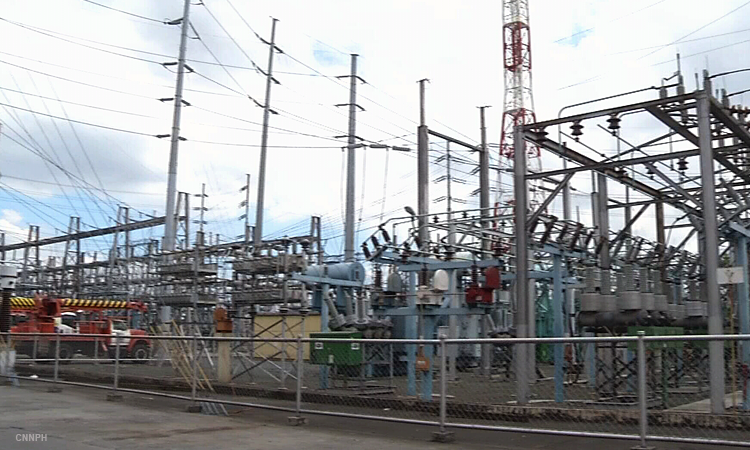

Metro Manila (CNN Philippines) — The National Grid Corporation of the Philippines (NGCP) on Tuesday raised the Luzon grid on “yellow alert” due to thin electricity supply, as demand for power went up higher than expected.
Energy officials said a number of major power plants were on unscheduled outages, adding that the situation could lead to possible blackouts if supply did not meet demand.
Joe Zaldarriaga, spokesperson of Manila Electric Company (Meralco), said unexpected outages were taking a toll on the current supply situation.
“Forced outages or those that are unplanned basically alters the actual supply situation,” Zaldarriaga said. “Early this morning until lunch time, we were on ‘white’ alert.”

Four major power plants – Pagbilao 2, Malaya 1, Sual 1, and Quezon Power Philippines Ltd. Co. (QPPL) – were down since Monday because of technical problems. Their combined output supplies nearly a tenth of Luzon’s needs.
Power distributor Meralco is worried the situation will remain critical.
“Kung walang improvement sa supply situation, may posibilidad talaga na hindi tayo white alert bukas,” Zaldarriaga said.
[Translation: “If there are no improvements on the supply situation, there’s a possibility that we won’t be on white alert tomorrow.”]
Energy Sec. Zenaida Monsada expressed optimism that the aging power plants would be up and running soon, as she appealed for responsible consumption of electricity.
“We’re expecting some plants to be back in operation next week,” Monsada said.
“Ang panawagan namin ay maging efficient tayo sa paggamit ng energy. Ituloy- tuloy natin ‘yon.”
[Translation: “We ask everyone to use energy efficiently. Let us continue doing that.”]
Meanwhile, party-list group Bayan Muna called on the next administration to prioritize the energy sector to avert potential blackouts.