
Metro Manila (CNN Philippines, September 26) — The Bangko Sentral ng Pilipinas (BSP) cut key interest rates again on Thursday, the third easing wave this year as price increases soften.
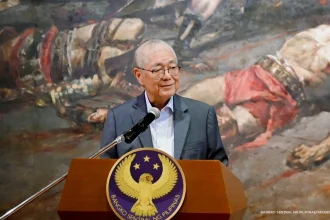
BSP Governor Benjamin Diokno said benchmark rates will be reduced by another 25 basis points (bp), on top of similar adjustments in May and August. By Friday, the key policy rate will be at 4 percent. The overnight deposit rate and overnight lending rate will likewise be reduced to 3.5 and 4.5 percent, respectively.
READ: What the attacks on Saudi Aramco mean for oil prices
Diokno said the cut was warranted as “price pressures have eased further” since the Monetary Board’s meeting last month.
Banks and other lending firms use the BSP’s rates as their benchmark in setting loan, credit card, and deposit rates.
The call to cut key rates came as inflation maintained its slowdown, with August logging a three-year low of 1.7 percent. Prices have picked up by 3 percent on average from January to August, well within the 2-4 percent target band set by government.
“The Monetary Board believes that the benign inflation outlook provides room for a further reduction in the policy rate to support economic growth and reinforce market confidence,” Diokno said during Thursday’s briefing.
Inflation to pick up
The central bank also reduced its inflation forecast this year to 2.5 percent from 2.6 percent in August. However, prices are sure to climb faster in the next two years with risks growing.
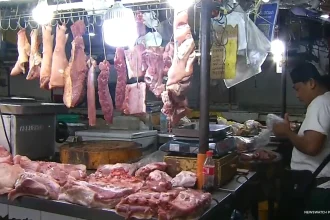
Diokno said inflation could take a beating from volatile oil prices, while the African Swine Fever outbreak in several areas could also affect meat prices. The Department of Health has confirmed 11 barangays affected by the virus, which does not affect humans but can cause swift death among infected pigs.
BSP Director Dennis Lapid said while there was a knee-jerk increase in crude prices right after last week’s attack on Saudi Arabia’s oil facilities, rates have since gone down and remain lower compared to August.
Meanwhile, Assistant Governor Edna Villa said petitions for higher electricity rates and transport fares, as well as the looming hike on sin taxes for alcohol and cigarettes, could hasten inflation.
On the flipside, softer global economic activity could keep prices low. “Firm domestic spending and progress on policy reforms will serve as a buffer against global headwinds,” Diokno added.
Villa said inflation could remain below 2 percent until November, largely due to base effects as rice and fuel prices have dropped versus last year. However, prices of basic goods would likely rise faster in 2020 and 2021, with the central bank projecting a 2.9 percent annual increase.
The latest rate action delivers Diokno’s promise of another rate hike for 2019, although there are still two rate-setting meetings left on November 14 and December 12.
Security Bank Chief Economist Robert Dan Roces said the BSP still had “significant” policy space for further reductions, through which it can “support the economy” if stronger state spending fails to revive growth.