
Metro Manila (CNN Philippines, October 21) — The Department of Interior and Local Government (DILG) is warning motorists and commuters of heavy traffic these coming Sundays, as it prepares for the Association of Southeast Asian Nations (ASEAN) Summit in November.
The DILG said heavier traffic will affect the southbound lanes of the Subic-Clark-Tarlac Expressway (SCTEX), North Luzon Expressway (NLEX), and other Metro Manila roads on October 22 and 29 as the government holds its fourth and fifth dry runs for the ASEAN convoy.
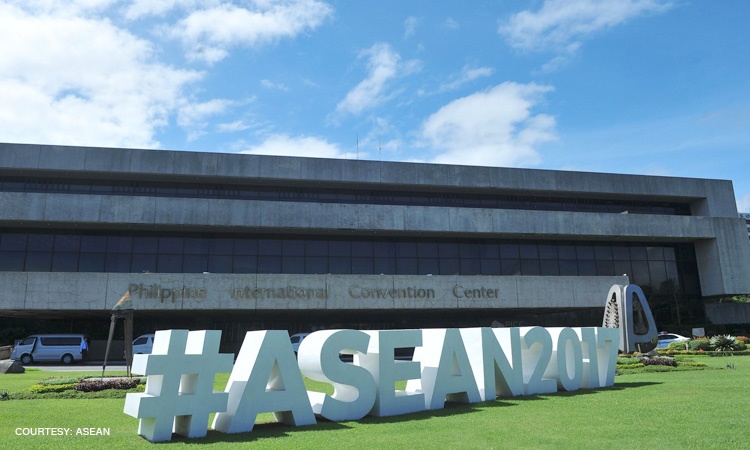
The annual meeting will be held from November 13 to 17.
Aside from the southbound lanes of SCTEX, NLEX, and EDSA, motorists can expect heavy traffic in parts of Makati, Taguig, Pasay and Manila.
The convoy will simulate 20 scenarios where the delegates will come from the the Clark International Airport in Angeles, Pampanga, the starting point of the convoys.
From Clark, it will proceed to Manila, Bonifacio Global City (BGC) in Taguig City, and Makati City.
The last stop for all convoys will be at the Philippine International Convention Center (PICC) in Manila.
The ASEAN Security Task Force (ASTF) said affected roads near the PICC include Jalandoni St., Arnaiz St., and V. Sotto St.
ASTF Commander Napoleon C. Taas also warned the following roads may be choke points:
South Luzon Expressway (SLEX) Skyway
Buendia Extension
J. W. Diokno Boulevard
Roxas Boulevard
McKinley Street
5th to 30th Streets in Taguig City
Ayala Avenue
Makati Avenue
The roads will be used as ASEAN ceremonial lanes.
Drivers are advised to take alternative routes during the dry run.
“Please avoid the chokepoints as we want to make certain of the seamless transit and security of our foreign guests,” said Taas.
Taas also warned motorists not to disrupt or cut the convoy vehicles.
Big trucks, closed vans, and tankers will not be allowed to pass through the affected routes during the dry run to ease traffic, the ASTF said.
The government had conducted three dry runs prior to this, but the DILG said the fourth and fifth ones will have “more vehicles and a much longer convoy.”