
Metro Manila (CNN Philippines, August 15) — Albay Rep. Joey Salceda wants the House of Representatives to approve changes to the corporate income tax scheme later this month, adding that he wants the reform to start by 2020.
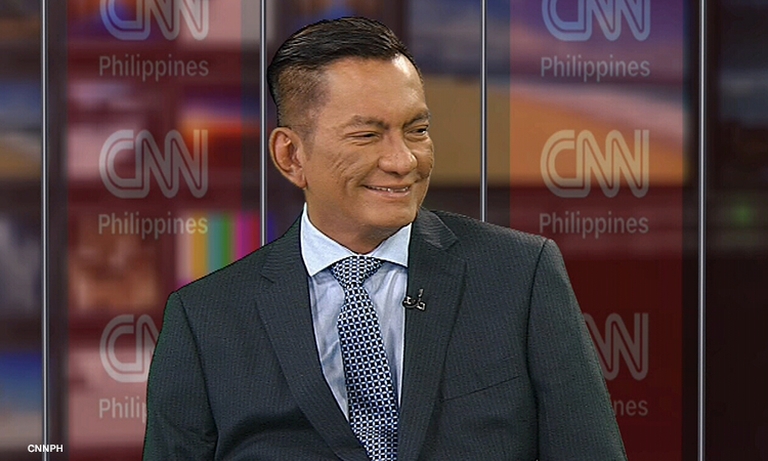
Salceda, chairman of the House Committee on Ways and Means, said he wants the chamber to approve the Corporate Income Tax and Incentives Reform (CITIRA) bill by the last week of August, or just before the plenary tackles the national budget.
“I think the week after next we will try to have an approval. We’re working on committee amendments already,” Salceda said during a press briefing on Thursday morning.
The House will receive the ₱4.1-trillion budget proposal on Tuesday, which is sandwiched between two non-working holidays on observance of the Quezon City Day and the Ninoy Aquino Day.
The CITIRA bill is the second phase of the tax reform program of the Duterte administration, which was formerly known as the TRABAHO Bill. The measure has been approved at the committee level as the panel invoked a House rule that allows them to fast-track discussions for a measure which previously cleared third reading.
The proposed law will trim the corporate income tax rate from 30 percent to 20 percent over a period of 10 years, while reducing the tax breaks given to investors. This is expected to make the Philippines a more viable investment destination, as the country currently imposes one of the highest tax rates in Asia.
The Department of Finance (DOF) wants to reduce the income tax by 2 percent every other year starting in 2021, which will result to the 20 percent level come 2029. But Salceda says he will put forward a more drastic proposal once the measure is taken up at the plenary. His proposal is to impose a more “rapid” 1 percent cut per year, which will also lower the rate to 20 percent by 2029.
“We are proposing we start in 2020,” Salceda said.
“After the fifth year, the next President may review whether to continue the 1 percent (annual cut),” he added.
Salceda said a review of the tax cuts may be triggered by cases of “fiscal imbalance” to take into account possible external shocks, such as the trade war between the United States and China.
Longer tax breaks
The House will also be offering a longer period for tax incentives. While the DOF wants fiscal perks to last for five to a maximum of seven years, the chamber will propose up to 10 years, Salceda said.
Among the incentives currently enjoyed by businesses located within ecozones and special industries include income tax holidays and discounted tax rates which do not expire, the DOF has said.
Salceda said the panel will recommend a four-year tax holiday plus three more years of a lower rate. An additional three-year break can be enjoyed by investors who will bring their money and operations outside Metro Manila. This is to ensure that there won’t be job losses, the solon added.
Alcohol tax
Finance Undersecretary Karl Kendrick Chua also said they will push for even higher sin taxes on alcohol before the Senate, given that the House has already passed a watered-down version on second reading.
Chua said the current bill raises just ₱17 billion in one year, just half the DOF’s target of ₱33 billion.
The bill will impose a 22 percent ad valorem tax on the net retail price of liquor and a specific tax of P30 pesos per proof liter.
Under the measure, the tax per proof liter will increase to ₱35 in 2020, ₱40 in 2021, ₱45 in 2022, and by 7 percent annually starting 2023. In contrast, the DOF’s proposal kicks off the annual adjustsments at ₱40 per liter.
The measure will fund the implementation of the Universal Healthcare Act which will be rolled out next year.
“The consequence of not raising it (sin tax) is may hindi makakatanggap ng benepisyo immediately,” Chua said during the briefing.