
Metro Manila (CNN Philippines, May 30) — Total debts incurred by the national government slipped by a tad in April from a month ago as the peso grew stronger versus the dollar.
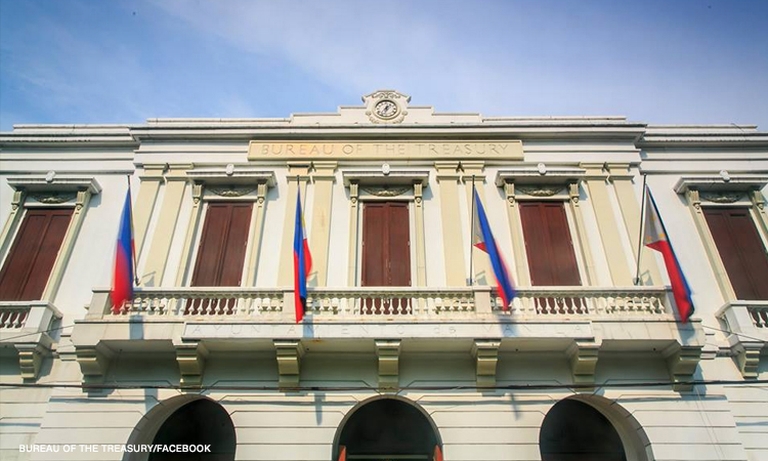
Outstanding government debt reached ₱7.787 trillion as of end-April, the Bureau of the Treasury reported on Thursday. The amount posted a modest decline from the ₱7.802 trillion unsettled as of March.
Of the amount, two-thirds comes from local creditors.
Domestic loans picked up by ₱8.55 billion from the previous month to reach ₱5.205 trillion. This factors in the higher borrowings during the period, as the Treasury floated ₱155 billion worth of debt notes through its weekly auctions. Meanwhile, dollar bonds issued to Filipinos got lower valuations thanks to the appreciation of the peso.
The local currency picked up to average ₱52.098 to $1, improving from the ₱52.629 rate in March. Its rebound, which hit a one-year high, is said to be driven by positive global sentiment about trade negotiations between the United States and China.
Offsetting these gains is a ₱24-billion drop in the level of the Philippines’ foreign debt, also driven by the stronger peso. This brought the total to ₱2.581 trillion, down 0.9 percent month-on-month.
However, total loans are still higher by 13.3 percent when compared to the ₱6.875 trillion unpaid debts as of April 2018. Back then, the peso was trading at ₱51.734 versus the greenback.
The government has so far guaranteed ₱482.98 billion worth of these loans for April, slightly higher from the previous month as the country borrows more.
The government has been borrowing from a mix of local and foreign sources to support the spending plans of the Duterte administration. This includes the issuance of bonds, credit lines from multilateral insitutions, and loans via official development assistance from foreign nations.