
Tacloban City (CNN Philippines, September 22) — The Health department is planning to implement a database system for the national government’s anti-illegal drug surrenderee program.
The database will allow easy monitoring of the whereabouts of those who surrendered even if they transfer to other places.
Nationwide, the number of surrenderees has reached more than a million, according to the Philippine National Police.
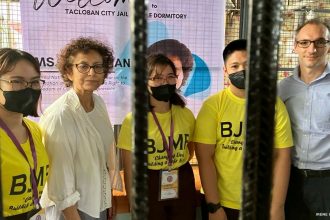
Speaking at the launch of a drug rehabilitation program in Tacloban on Thursday, Health Secretary Paulyn Ubial said their agency is trying to come-up with a system in collaboration with the World Health Organization (WHO) and United States Agency for International Development (USAID).
The Health Secretary said one of the concerns will be the possible stigma for those who surrender.
“We need to establish the system because it needs to have privacy and confidentiality,” Ubial said. “We don’t want that drug surrenderees suffer from stigma in their community just because they are former drug users,” Ubial added.
Ubial said the policy of the government is to help drug surrenderees recover through rehabilitation process, contrary to claims that the government has hand on killings of people involved in illegal drug trade.
Some rehabilitation facilities provide outpatient drug dependents with counseling and the right intervention. On the other hand, extreme cases, or those who already suffered brain damage from drug abuse, are admitted in bigger facilities, such as in the mega rehab center in Nueva Ecija.
“The war on drugs anchor on the belief that people can change, people can be reformed. May pag-asa pa po ang mga drug users (drug users still have hope),” Ubial said.
Ubial said drug abuse and drug dependence is a mental health problem that needs a long time support not only from the family, but also from the community.
Since the anti-illegal drug campaign was implemented in the city, a total of 4,402 individuals have surrendered to the Tacloban City Police Station, as of August 2017.