
Metro Manila (CNN Philippines) — The Mining Industry Coordination Council (MICC) will review the closure and suspension orders of the Department of Environment and Natural Resources (DENR) amid accusations from miners, due process was not followed.
According to an MICC policy brief released on Friday, the Council will conduct an “objective, fact-finding, and science-based” review of all mining operations in the country, starting with the 28 mines suspended or closed by the DENR.
“We will start with the latest audit results the DENR used as a basis for the orders. Then we will look at any responses of the miners, their previous violations, and compare those with what see on the field too,” Environment Assistant Secretary Maria Paz Luna said during a press briefing.
The review of the 28 mines will take about three months, she said. The findings of the MICC will then be submitted to the Office of the President, which will make the final decision on the DENR orders.
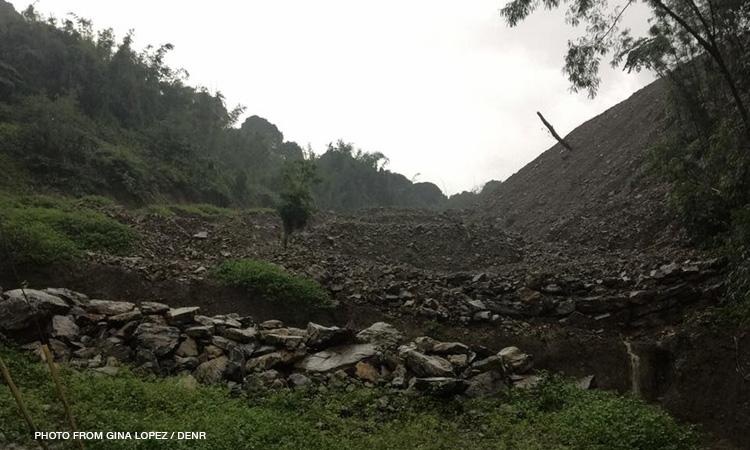
Environment Secretary Gina Lopez released the orders in February and immediately received a backlash. Miners claimed they never received the audit findings and were denied the chance to correct any issues the DENR found. Several audits also recommended only fines for the violations, but Lopez – a staunch environmentalist – decided to suspend or shut down operations instead.
The MICC is seeking to defuse the tension and resolve the conflict between the two sides. President Rodrigo Duterte himself has offered his support for Lopez and the communities harmed by erring miners. However, he has also stressed the need for due process and rule of law in any mining review.

Export ban mulled
Meanwhile, the MICC is pushing for reforms to make sure the country gets more value from mining operations. It wants miners not just to extract mineral ore from the Philippines but to process the materials here as well.
“This is so the high-value end-products can be enjoyed by the Philippines, rather than importing end-products and exporting cheaper ores, which contain more metals than what they’re actually paying for,” Luna said.
She pointed to Indonesia, which banned the export of some mineral ores in 2014.
“It’s one of the things we’re considering for any mines that should remain to be operating and do not cause irreparable damage to the ecosystems that support people.”
Finance Secretary Sonny Dominguez supported this strategy, saying the Philippines had the capability for mineral processing.
“We already have some of the industries, actually. We have for instance, wire manufacturing, tube manufacturing. We just want it expanded,” he said in an interview.
However, he cautioned against an outright export ban, saying it could end up hurting mining communities in the end.
“At one point in time, [the government] limited the export of kopra. What happened is coconut farmers got a very bad deal. The local processors, the oil mills, they just bought their kopra at lower-than-world market prices. We don’t want that to occur.”