
Metro Manila (CNN Philippines) — How do you punish convicts already serving life sentences who continue operating a multi-billion-peso drug trade inside the national jail?
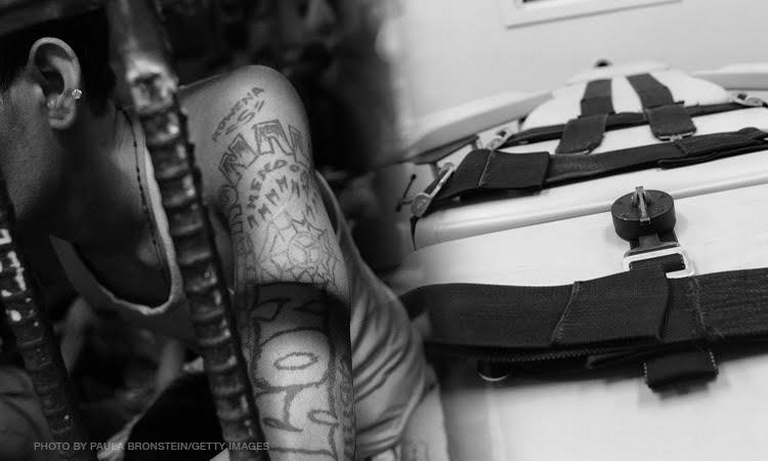
Revive the death penalty, said a congressman on Thursday.
“Wala silang ibang kinakatakutan (They fear nothing) except death,” said Representative Reynaldo Umali, chairman of the House of Representatives Committee on Justice. “For the meantime that the needed reforms in the criminal justice system [have] not been addressed, we need something that will strike fear in the hearts of criminals,” he said.
The Committee on Justice wrapped up on Thursday its hearing on the alleged proliferation of illegal drugs inside the New Bilibid Prison. It heard 47 hours of testimonies of 22 witnesses, including 14 convicts.
Inmates may have been granted immunity from what they testified on, but cases against them can still be filed if other witnesses present evidence against them, Umali said.
Next steps
It was imperative that inmates already serving out life sentences be held accountable for the illegal drug trade inside Bilibid, Umali said.
The next logical step would be to schedule hearings on bills filed to bring back the death penalty, he added.
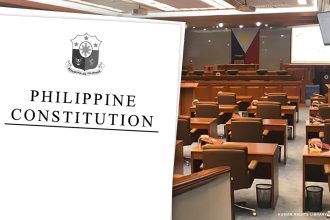
The death penalty was imposed for heinous crimes in 1993, but was abolished in 2006. In July, at the resumption of the 17th Congress, House Speaker Bebot Alvarez filed a bill to bring back the death penalty.
Four subcommittees-investigation and enforcement, prosecution, judicial reforms, correctional reforms — in the Lower House have been set up to draft bills to stop the illegal drug trade inside Bilibid.
Umali added that there was a need to amend the bank secrecy and anti-wiretapping law.
Enacting the prison modernization law of 2013
Prison officials expressed wariness on the next steps to be taken by lawmakers.
They noted that there is already an existing law, Republic Act 10575, or the Bureau of Corrections (BuCor) Modernization Law.
“The BuCor modernization law is the permanent solution to all problems we are facing right now,” said Insp. Eusebio Del Rosario Jr., head of the Public Information Office of the Bureau of Corrections.
Officials are rushing work on requirements set by the Department of Budget and Management to finalize the implementing rules and regulations of the law, said Del Rosario.
The law, signed in 2013 by then President Benigno Aquino III, mandates a complete overhaul of the country’s flawed penal system, which for one, allowed criminals to continue with illegal activities inside the jail.
The first phase of the penal overhaul is estimated to cost P2.3 billion, according to the Department of Justice, which oversees the BUCOR.
Meanwhile, Budget Undersecretary Luz Cantor said the implementing rules and regulations were being throughly studied.
She hoped these rules and regulations could be signed before the year ends so that BuCor personnel can be entitled to salary increases in 2017. The money to cover this will be sourced fom the P96-billion Miscellaneous Personnel Benefit Fund, Cantor added.
BuCor modernization law provisions
At present, Philippine jails are 158 percent congested, and there is one security personnel for every 68 prisoners.
The 2013 law is long overdue and will address the problem of decongestion, since more facilities will be constructed. It will bring the guard to prisoners ratio down to one for every seven prisoners, once salaries are doubled.
The law will place the BuCor at par with international jail management standards, and give ranks of Undersecretary and Assistant Secretary to the prisons’ director-general and his deputies.