
Metro Manila (CNN Philippines) — Bureau of Plant Industry (BPI) Quarantine officer-in-charge Andres Alemania on Tuesday denied Agriculture Secretary Manny Piñol’s extortion accusation, saying Piñol was misinformed.
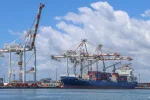
On Sunday, Piñol said he received complaints from banana exporters who had been charged “special fees” by Alemania and other BPI officers in Sasa Port, Davao City.
For years, the officers have allegedly been demanding exporters to pay P8,000 per container van or P40,000 per transaction.
Piñol said he had directed BPI Acting Director Vivencio Mamaril to relieve the entire BPI Quarantine Service staff and replace them with new employees.
“Considering that there are over 200 exporters, not to mention the huge players like Dole Philippines, Sumifru, Tadeco, Uni-Frutti and others, I can just imagine how much these people, granting that the charges are true, have been raking in all these years,” Piñol said.
The Agriculture Secretary said there would be investigations on the matter and that due process would be observed.
Ready for investigation
Alemania said his office was ready for an investigation and their records were open for scrutiny.
He said he did not blame Piñol for taking the issue to social media, but the post had caused demoralization among his staff.
Alemania said he was ready to face his accuser: “If there is an accuser then bring him to us. Point to anybody of us who accepted that … grease money.”
Prove allegations first
For Stephen Antig, Executive Director of the Pilipino Banana Growers and Exporters Association (PBGEA), these allegations must be proven first before dismissing the current Quarantine staff.
“What we are exporting are perishable goods. If you relieve everybody from manager down to the janitor, then who’s going to operate? Who’s going to do the work? Who’s going to issue the pychosanitary certificate?” he said.
He said PBGEA’s member-companies have never experienced extortion from anyone in the Quarantine service.
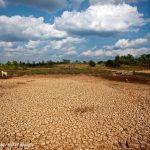
Antig also said 2016 has not been a good year for the local banana industry because of El Niño, which is expected cut production volume by more than 30 percent, hence raising prices.
He said the Philippines’ market countries, like Japan, China, Korea, and the Middle East, have started buying from competitors like Ecuador and Vietnam.
“If we will not be able to bounce back or to produce — or if our production will not be back to normal by the end of first quarter next year — chances are we might lose market,” Antig said.
CNN Philippines’ Anjo Alimario contributed to this report.