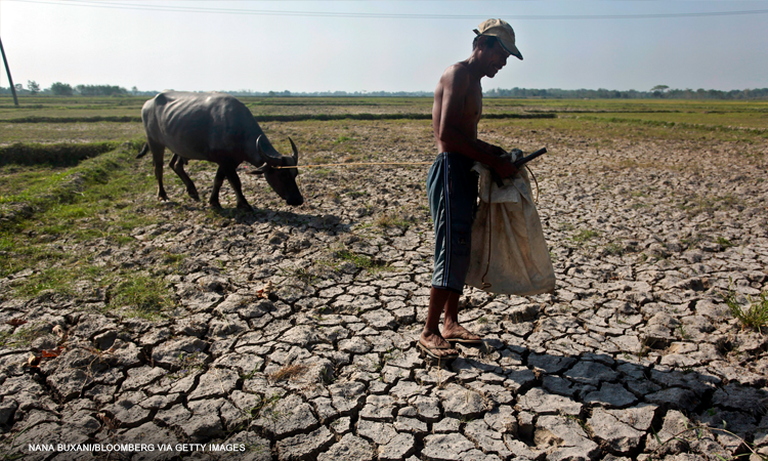

Cagayan De Oro (CNN Philippines) — Around 28,480 lumad families living in Indigenous Peoples (IP) communities in Northern Mindanao have been severely affected by El Niño, the Department of Social Welfare and Development (DSWD) said on Friday (March 18).
IP areas hardly hit by the El Niño phenomenon are San Fernando, Bukidnon and Claveria, Misamis Oriental.
Priority towns include Kibawe, Impasug-ong, Kadingilan, Malitbog, Cabanglasan, Kitaotao, and Quezon in Bukidnon, and Gingoog City in Misamis Oriental.
Other priority areas are Valencia City, Talakag, Malaybalay City, and Lantapan in Bukidnon.
Related: Mindanao farmers worst-hit by El Niño
DSWD Secretary Dinky Soliman said the affected families have started receiving food packs from the welfare department, as part of their relief efforts and social interventions among the IPs.
DSWD previously noted signs of malnutrition among these families, especially with children who have resorted to eating root crops as the dry spell ravaged their towns.
“Lumad families are eating root crops, and you can notice signs of under nutrition because their hair becomes yellowish,” Soliman said.
Watch: El Niño: Facts and Figures
As part of its mitigating measures, the DSWD has also implemented “Cash for Work” and “Food for Work” programs for the affected families.
The 2016 national budget did not include an El Niño mitigation fund. Last March, however, the DSWD proposed a P885-million budget to fund its two major projects.
Under the “Cash for Work” program, beneficiaries would be entitled to a daily cash assistance worth P230 on top of the “Cash for Food” assistance.
Cagayan De Oro City-based journalist Alwen Saliring contributed to this report.