
Metro Manila (CNN Philippines) — Advocates for fast Internet speed in the country want “digital leaders” in government.
They are leaders who could “bridge the… aspirations of the people for… the fastest possible Internet service so the citizens could maximize their use,” social media strategist Tonyo Cruz said during the third election roundtable of CNN Philippines on Friday (January 29).
Fast Internet speed has been linked to economic progress. A 2011 study by Ericsson of 33 member economies of the Organisation for Economic Co-operation and Development (OECD) found that doubling the broadband speed of a country increases its GDP by 0.3 percent.
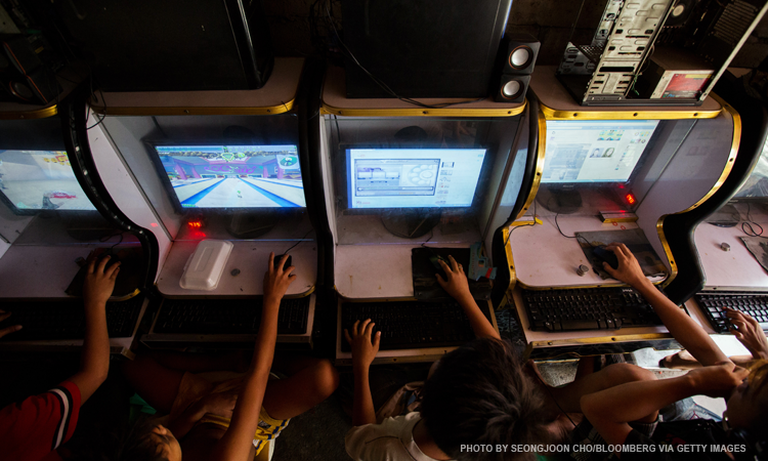
A report by Akamai on the state of the Internet last year showed that the Philippines has the second slowest Internet speed in the Asia-Pacific region, with an average connection speed of 2.5 Mbps.
This sluggish speed hurts businesses in the country and has been tackled in a Senate committee hearing last year to find out its impacts on the economy.
Unfortunately, when it comes to concrete platforms to attain speedy connectivity, it seems like the candidates, in web speak, are taking time to load.
Among the presidential candidates running now, Cruz said no one seems to fit the bill of a digital leader.
“We need a digital leader to say that the Internet is important for the growth of the country. The Internet is important to our OFWs (overseas Filipino workers), entrepreneurs, to our students. We must have the fastest Internet possible,” Cruz said.
“Let’s make the Internet an issue this elections. Let’s not let the candidates get away with nothing,” he added.
Rep. Terry Ridon of the Kabataan Party and principal author of the proposed Free Public Wi-Fi Act (House Bill 5791) said the same thing, adding that at the moment not one of the candidates has clearly stated their Internet agenda.
“Maybe they had made motherhood statements on the matter,” he said. Although it is an election issue, Ridon said he doesn’t think that many of the candidates “understand the gravity of the situation.”
Candidates need to understand that a big part of the electorate are online and not appealing to this issue weakens their campaign, Pierre Tito Galla, founder of the Democracy.Net.PH, the drafters of the Magna Carta for Philippine Internet Freedom, said.
“The Comelec (Commission on Elections) just recently released statistics on how many voters are there in the Philippines. The Comelec also released what are the ages of these voters. And if you correlate these ages to the number of Internet users in the Philippines, candidates ought to be afraid that they’re not speaking about information and communications technology now,” Galla said.
According to Comelec, 20 million out of 54 million of voters or 37 percent belong to the tech-savvy youth sector.