
Dipolog City (CNN Philippines) — Born into nobility in the town of Nola in Naples, Italy on May 10, 1612, Fr. Francesco Palliola joined some 40 Jesuits on an expedition to the Philippines.
After a trip of over two years, he finally landed in Iligan City on January 2, 1644, beginning a mission in Mindanao that would take him to Dipolog, Dapitan, and the rest of the Zamboanga Peninsula. He spread the Catholic faith to the locals, even to lumads.
Fr. Palliola was martyred at Ponot, now Jose S. Dalman town, on January 29, 1648. He was killed by Tampilo, a converted native leader who left Catholicism, and whom the priest was trying to bring back to the faith. He died at the age of 35.
A painting of Fr. Palliola, showing a dagger piercing his throat, remains at the archives of the Bangko Sentral ng Pilipinas. Traditions passed on since his death and written records about him serve as a reminder of his lasting impact on the people of the peninsula. His grave, marked by a modest memorial, is regularly visited by those who seek his intercession.
Work on Fr. Palliola’s sainthood has been a collaborative effort involving not just the Diocese of Dipolog, but also the Jesuits and the Augustinian Recollects who had worked in the area. According to Bishop Severo Caermare, they are hopeful of Fr. Palliola’s cause.
“Padre Palliola may have been Neapolitan. An Italian by birth, but his love for God and caring for the people of the Zamboanga Peninsula, particularly the Subanon lumad, made him truly Mindanaoan,” he said.
He added that though Fr. Palliola lived close to 400 years ago, he continues to care for his adopted homeland to this day, interceding for people in need — including fisherfolk who carry on the tradition of stopping by his grave to pray for a good catch.
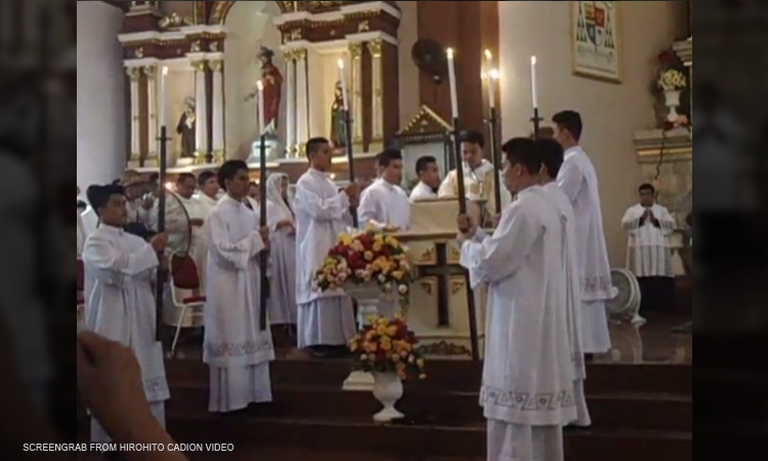
With the opening of the cause for his martyrdom, an investigative process is now in motion to ascertain the authenticity of his life, the renown of his sanctity, and the miracles attributed to him.