
Metro Manila (CNN Philippines) — The Department of Social Welfare and Development (DSWD) should tighten its screening of recipients of the conditional cash transfer (CCT) program to plug an estimated 30% leak in the P62-billion poverty reduction scheme.
In other words, 30% of the fund doesn’t really go to the intended recipients.
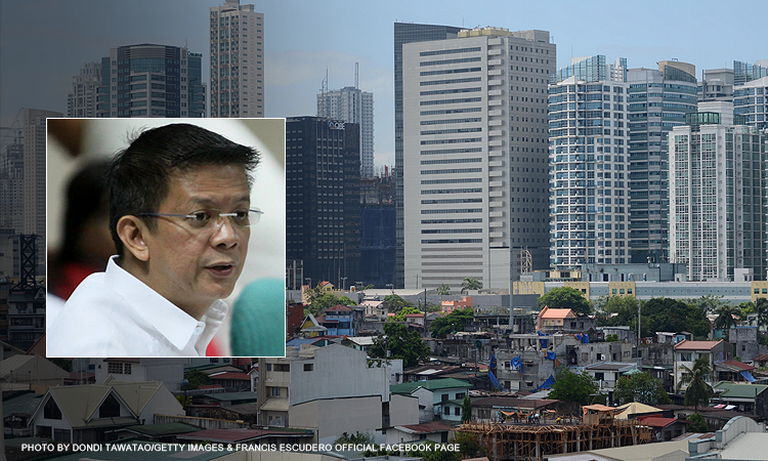
Sen. Francis Escudero made this call in a statement issued on Friday (June 26), a day after reports about the leak, as estimated by the Asian Development Bank (ADB), came out.
“We are throwing away money to those who do not need or deserve it to the exclusion of those who might or other worthwhile endeavors that also need funding and fiscal space,” Escudero said.
“That is quite alarming because we are talking about P19 billion in government funds meant for poor families. This is another injustice to the poorest of the poor who are the target beneficiaries of the poverty reduction program.”
The DSWD has been purging its list of beneficiaries since the program stated.
But Escudero said: “They have delisted less than five percent since the program began. While the weeding out process is ongoing, it is too slow given the magnitude.”
Former President Gloria Macapagal Arroyo launched the program in 2008. While, President Benigno Aquino III chose to continue it shortly after being elected in 2010.
According to its website, the Pantawid Pamilyang Pinoy Program, as it’s formally known, has 4,090,667 registered household recipients as of June 25, 2014.
Under the program, each family receives a monthly stipend of up to P1,400, or a total of P15,000 every year for five years, provided that it sends children to school and clinics for vaccination, among other conditions.
ADB’s Independent Evaluation Department (IED) has a favorable assessment of the program, as evident from its latest issue of Learning Lessons, titled “To Foster Inclusive Growth, Tackle Inequality and Climate Change.”
The IED noted that the program “improved health outcomes and increased school participation” among children aged six to 14.
The IED added: “While the long-run impacts of the program on poverty have yet to be analyzed, it is expected to improve the employability of the poor, enhancing their resources and capacity to respond to environmental shocks.
“This is crucial for this country, where direct damages of natural disasters cost more than 0.5% of gross domestic product every year.
“The inclusive growth study notes, however, that improvements are needed in the program’s targeting system to reduce an estimated leakage rate of 30%.””