
Metro Manila (CNN Philippines) — Funds for some public infrastructure projects were not released as scheduled in the first quarter of the year, Budget Secretary Florencio Abad admitted at an economic journalists forum on Wednesday (June 3).
“Underspending is a recurrent problem because, for the most part, our agencies are still beset with institutional weaknesses,” Abad said.
Abad blamed the underspending on some agencies. These government offices, he said, were delayed in preparing their project plans because of stricter requirements before funds could be released.
“We had to review the programs of work of classrooms,” he said. “And similarly, you know, with farm-to-market roads, we also had to mention that they’re geotagged.”
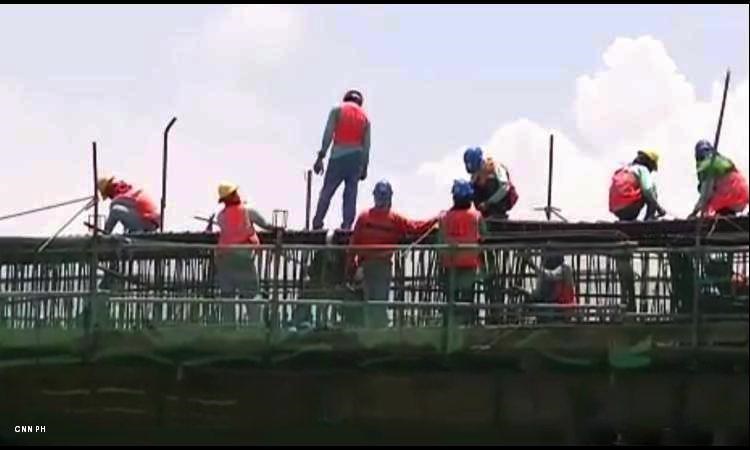
This resulted in a 24.6% drop in public construction in the first quarter.
Underspending in this sector is the main reason for the disappointing 5.2% economic growth for the period, the country’s slowest since the fourth quarter of 2011.
Leonor Briones, former national treasurer, said flaws in the design of the budget process partly causes these bottlenecks and opens it up for corruption.
Budget preparation is done by the agencies of the executive branch and the legislation is done by Congress.
“The third stage of the process is where your problem is, because it takes some time before DBM will release budget allocations,” Briones said. “This is where you [have] your fake documents. This is where you have your ghost projects. This is where you have your xerox machine, with all those fake signatures.”
Briones said DBM is partly responsible for delays in the preparation of project plans.
“They should share the blame because they are in it together. They approved it one year before,” she said.
But she said there’s a way to get around the bottlenecks.
“I can be only a simple matter of requiring your Cabinet members to meet regularly,” she said.
That way they can report regularly on the progress of their projects.
The DBM has been doing exactly that, according to Abad.
“Every department will have to establish a full-time delivery unit,” he said. “All it will do is to make sure that disbursements are accelerated.”
The government didn’t realize early on that administrative constraints had been slowing down projects.
“But then later on we realized that there are other more fundamental things that’s dragging down spending,” he said.
But Abad admitted that it would take a long time for reforms to take effect.
“The rush to get this going before the election ban will also be a factor,” he said.
But how will the government implement reforms given that experts say the Aquino administration has been underspending since 2011?