
(CNN Philippines) — Foreign tourist arrivals in the Phillippines grew from 3.9 million in 2010 to close to five million in 2014.
Domestic tourists numbered 44 million in 2013, surpassing targets set for 2016.
Tourism revenues grew by 27.5%, with foreign tourists pitching in $4.4 billion and local tourists close to $22 billion.
Return on investments was at $82 for every $1 spent. Jobs generated was at a one-to-one ratio.
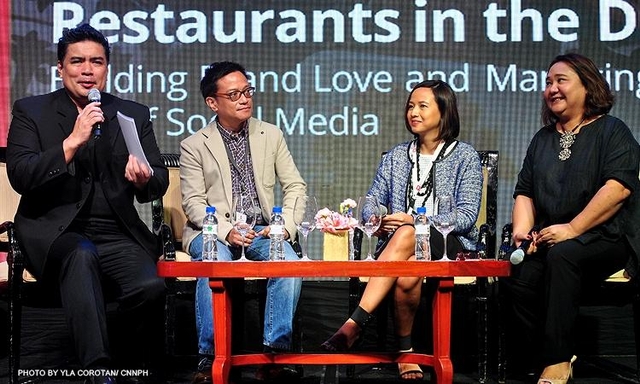
These are the numbers generated by the “It’s more fun in the Philippines” campaign, which was launched in 2012, Domingo Ramon Enerio III, chief operating officer of the Tourism Promotions Board, said on Tuesday (May 19) at the first ever Zomato Restaurant Summit.
The gains generated by the Department of Tourism (DOT) has been brought about by a powerful marketing force: the digital Filipino.
At its peak, the campaign was mentioned once every minute on social media, Enerio said.
With the topic of “Conquering the Digital Age,” restaurateurs agreed that the online Filipino is a force to reckon with.
Anton Ojeda, country manager of online restaurant discovery site Zomato Philippines, said the restaurant industry too could harness opportunities in the digital age.
Ojeda said that people are now more open in posting feedback about their dining experience on blogs and social media accounts.
“These online reviews could influence others in deciding where to eat,” he said.
A 2014 Nielsen Shopper Trends Report showed that reading online reviews is one of the main factors that inform the offline purchasing behavior of Filipinos.
Ojeda explained that online review sites provide double-edged solutions.
One, consumers can get information on the best businesses.
Two, businesses can find out what consumers want and even interact with them.
Building brand love
But the digital space isn’t all rosy. The ease and speed of sharing in social media could also make a bad review go viral and restaurants could find themselves in a crisis.
Margot Torres, senior vice president for marketing of McDonald’s, who was among the speakers at the summit, said that some principles are the same in building a brand whether online or offline.
In the age of social media, however, she said responding within the first two hours of an online complaint is crucial.
“Be authentic and sincere. Engage with the customer directly,” she said. “Be clear on who is the spokesperson for the brand.”
Donnah Alcoseba, the general manager of Social at Ogilvy Manila, noted that assigning someone to check the brand’s online presence is also a big help as there are times that complaints posted on social media do not tag the company.
Alcoseba said having loyal clients could also help as they can advocate for the brand.
This is why building “brand love” is important, Torres said.
“Products address need or function but a brand has personality and character,” she added.
Torres also said that addressing the complaint on the site is the best way to avoid a potential PR crisis.
In the end, she emphasized the importance of learning about the customer’s experience, which the digital space has made available.
“Customer experience is important. You have to always listen so you’ll know what they want,” Torres said.