
(CNN Philippines) — Headline inflation — the raw measurement of the total increase in goods and services — slowed down in April to 2.2% from the same period last year, according to the Bangko Sentral ng Pilipinas (BSP).
This rate is slightly below the 2.4% registered in the previous month and considerably lower than the 4.1% of April 2014. It also sits within the BSP’s range forecast of 1.9% to 2.8% for April.
April’s figure subsequently brings the headline inflation rate for the first four months of the year to 2.3%, which also sits within the government target of 2% to 4% for 2015.
Likewise, core Inflation — which excludes selected food and energy items because of their price volatility — also eased to 2.5% in April from 2.7% the previous month. This compares to the 2.9% core inflation rate in April the previous year, and 2.8% in March 2014.
Read: Philippines has most resilient economy – study
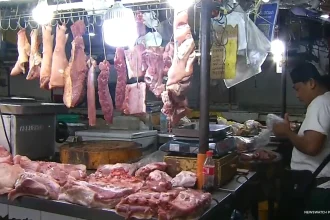
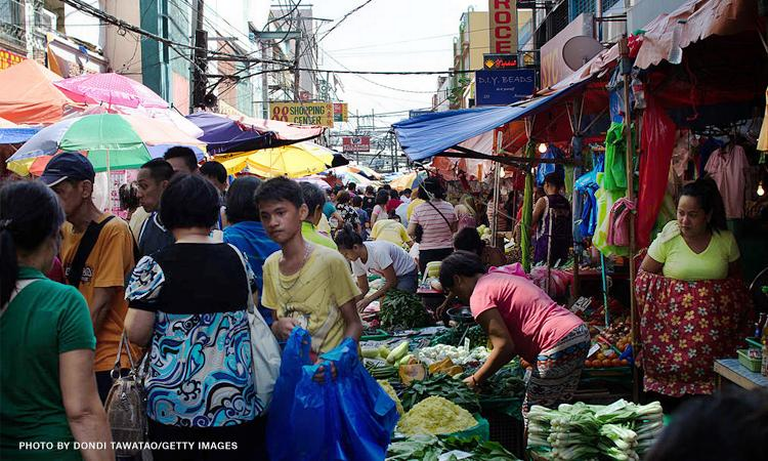
The central bank attributes the deceleration to slower increases in food prices caused by ample supplies of rice, corn, meat, milk, oils, and fruits. It also said that non-food inflation slightly eased because of the continued decline in electricity rates and domestic petroleum prices on year-on-year terms and slower price increases in clothing and footwear, health-related products and services, and miscellaneous goods and services.
In a separate statement, National Economic Development Authority officer-in-charge Emmanuel Esguerra said that the inflation easing “bodes well for consumption growth.”
“The peso is expected to remain relatively stable given the country’s strong external position owing to strong remittances and foreign direct investment inflows, ample international reserves, and a manageable level of external debt. Overall, these conditions are seen to contribute to stable domestic prices going forward,” he added.
Read: Joblessness falls to 19.1% — SWS
However, the deputy director-general also emphasized the need for the government to decongest Metro Manila, and to avoid disruptions in the domestic supply chain. Likewise, he also cited the importance of increasing productivity in agriculture and food processing industries.
“There should be programs to cover the use of appropriate technology to expand production capacity as well as intensification of credit programs and facilities with crop insurance,” he said.
Esguerra notes further potential risks to inflation, especially if the mild El Niño episode currently affecting the country intensifies.
“Regular monitoring of drought incidence in agricultural areas should be continued to ensure that appropriate policy actions are implemented without delay. Timely importation of rice to augment domestic supply should serve as a ready measure to prevent the repeat of the high rice prices witnessed in the third quarter of 2013 until 2014.